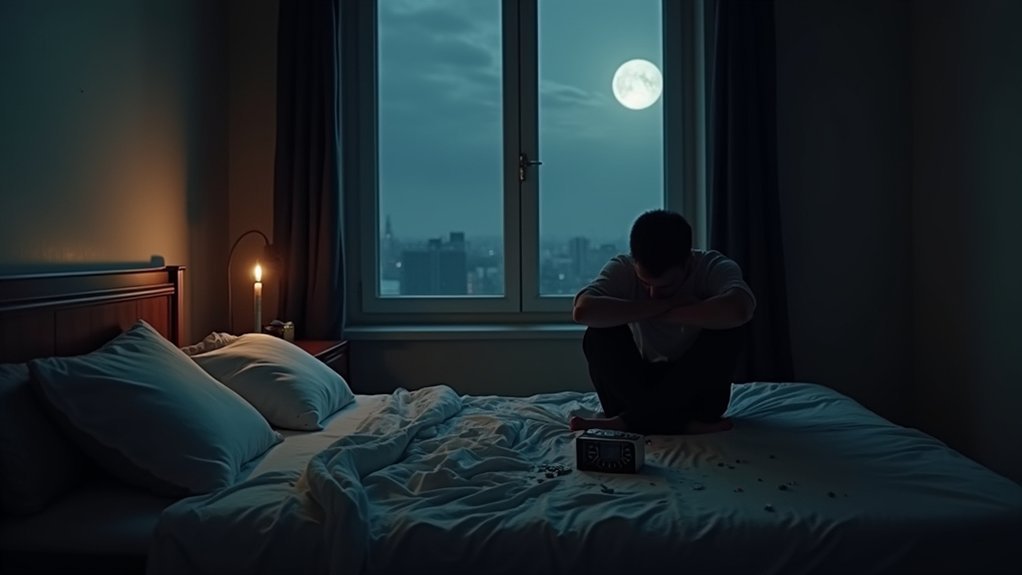
Depression and anxiety create insomnia through hyperarousal states that make your brain unable to wind down at bedtime. When you’re depressed, disrupted neurotransmitter levels and elevated cortisol flood your system, fragmenting sleep patterns and reducing restorative slow-wave sleep by significant amounts. Anxiety triggers racing thoughts and physical tension, while adrenaline spikes keep your heart rate elevated—creating conditions incompatible with sleep. This creates a vicious cycle where poor sleep worsens your mental health, and understanding the deeper mechanisms can help you break free.
The Bidirectional Connection Between Mental Health and Sleep
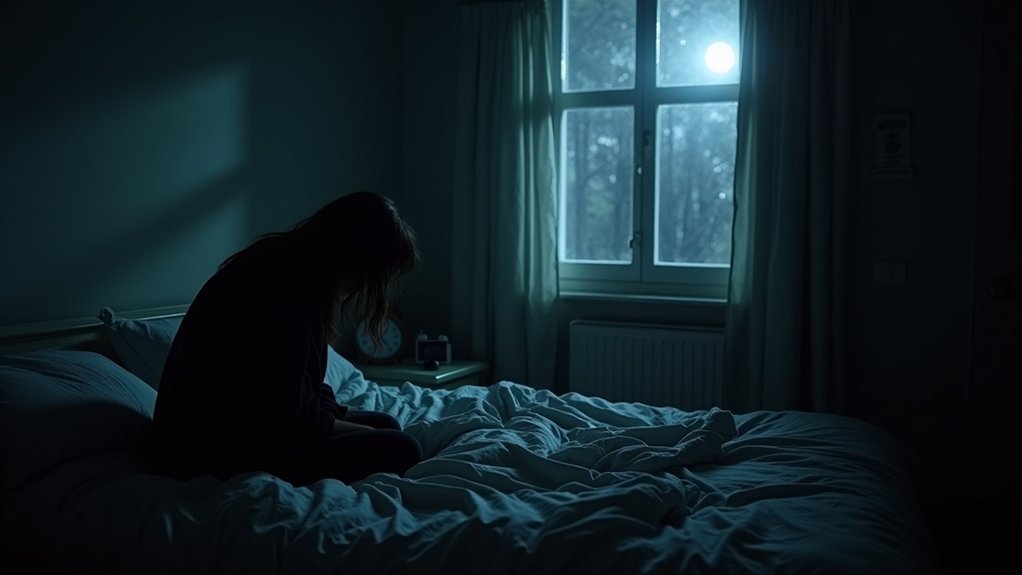
When you’re struggling with depression or anxiety, you’ll likely notice that sleep doesn’t come easily. This isn’t coincidental—there’s a complex bidirectional relationship between your mental health and sleep quality.
Depression and anxiety create hyperarousal and stress that make falling asleep incredibly difficult, while insomnia simultaneously worsens your emotional regulation and increases vulnerability to mental health issues.
You’re caught in a challenging cycle where sleep problems can trigger depressive episodes, and depression can intensify your insomnia.
Research shows that 40-50% of people with insomnia also experience mental health disorders. However, there’s hope.
Cognitive behavioral therapy specifically designed for insomnia has proven effective at breaking this cycle, improving both sleep quality and mental health outcomes when you address both conditions together.
How Depression Disrupts Normal Sleep Patterns
When you’re dealing with depression, your sleep architecture changes in measurable ways that leave you feeling unrefreshed.
You’ll experience considerably less slow-wave sleep, which is the deep, restorative phase your brain needs to recover from daily stress and process emotions effectively.
Throughout the night, you’ll also wake up more frequently, preventing your body from completing full sleep cycles and maintaining the continuous rest that’s essential for mental health recovery.
Shortened Slow-Wave Sleep
Although your body craves the deep, restorative phases of sleep, depression disrupts this natural process by significantly shortening slow-wave sleep duration.
When you’re dealing with depression, your sleep disturbances prevent you from reaching those essential deep sleep stages necessary for physical and mental recovery. Instead of experiencing restorative slow-wave sleep, you’ll likely find yourself caught in cycles of frequent awakenings and lighter sleep phases.
This disruption creates a devastating cycle affecting your emotional regulation. Without adequate slow-wave sleep, you’ll face a 31% reduction in positive moods the following day, making you more vulnerable to future depressive episodes.
Research shows 75% of individuals with depression report these sleep difficulties, highlighting how insomnia becomes both a symptom and contributor to ongoing mental health challenges.
Frequent Nighttime Awakenings
Beyond the reduction in deep sleep phases, depression fragments your entire night with multiple awakenings that shatter any hope of continuous rest. When you’re dealing with depression, you’ll likely experience frequent nighttime awakenings that transform what should be restorative sleep into a series of disrupted fragments.
Statistics show that 75% of people with depression report significant sleep difficulties, with fragmented patterns becoming the norm rather than the exception.
Your compromised emotional regulation makes you particularly vulnerable to these disruptions. Daily stressors that you encounter replay during nighttime hours, triggering awakenings that prevent deep, healing sleep.
This creates a vicious cycle where insomnia worsens your depressive symptoms, while emotional distress continues disrupting your sleep architecture, perpetuating the exhausting pattern of broken rest.
Anxiety’s Role in Creating Sleep Disturbances

As night falls and your head hits the pillow, anxiety transforms your bedroom into a battle zone where racing thoughts clash with your body’s need for rest. This hyperarousal state makes falling asleep nearly impossible, creating a vicious cycle of sleep disturbances.
| Anxiety Impact | Sleep Consequence |
|---|---|
| Racing thoughts | Difficulty initiating sleep |
| Elevated cortisol levels | Disrupted sleep quality |
| Hyperarousal state | Fragmented sleep patterns |
| Sleep-focused worry | Self-fulfilling insomnia |
| Physical tension | Restless nighttime behavior |
When you have an anxiety disorder, your nervous system stays on high alert. Studies show 40-50% of people with chronic insomnia also struggle with anxiety disorders. This connection between insomnia and depression often stems from persistent stress and anxiety that floods your system with cortisol, preventing restorative sleep.
The Vicious Cycle: When Poor Sleep Worsens Mental Health
When sleep eludes you night after night, your mental health doesn’t just stagnate—it actively deteriorates. This creates a devastating vicious cycle where insomnia and mental disorders fuel each other relentlessly.
Poor sleep slashes your positive moods by 31% the following day, intensifying feelings of hopelessness that characterize anxiety and depression.
You’ll find your emotional resilience crumbling under chronic sleep deprivation, making everyday stressors feel insurmountable. The statistics are alarming: 75% of people with depression struggle with insomnia, while chronic sleep problems increase depression risk tenfold.
Each sleepless night weakens your ability to cope, pushing you deeper into mental health decline.
Breaking this destructive pattern requires addressing sleep directly. Cognitive behavioral therapy for insomnia has proven effective at improving both sleep quality and mental health outcomes simultaneously.
Physiological Changes That Link Depression to Insomnia
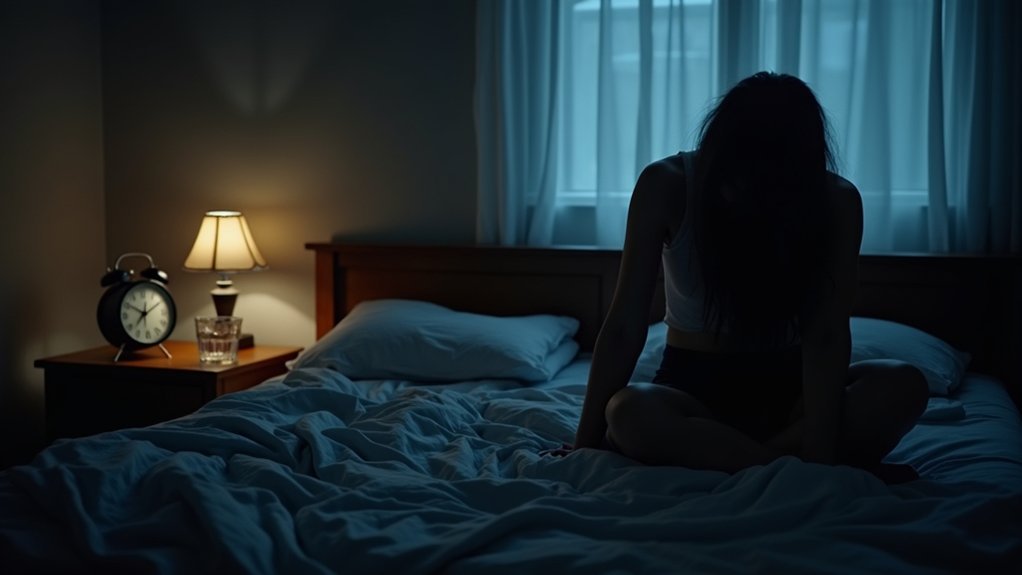
Depression rewires your brain’s fundamental chemistry, creating biological changes that directly sabotage your sleep. When you’re depressed, your brain produces altered levels of vital neurotransmitters like serotonin and norepinephrine, which regulate sleep-wake cycles. This chemical imbalance disrupts your natural ability to fall and stay asleep.
Your body also overproduces cortisol, the stress hormone that keeps you alert when you should be winding down. Elevated cortisol levels fragment your sleep patterns, making restorative rest nearly impossible. These physiological changes create a measurable difference in your brain activity during sleep studies.
Depression also shifts your circadian rhythms, throwing off your internal clock. The result isn’t just occasional sleeplessness—it’s chronic insomnia that mirrors primary sleep disorders, creating identical brain patterns that keep you trapped in wakeful exhaustion night after night.
Stress Hormones and Their Impact on Sleep Quality
When you’re dealing with depression and anxiety, your body releases stress hormones like cortisol and adrenaline that directly interfere with your sleep patterns.
Cortisol disrupts your natural sleep-wake cycle by keeping your system alert when it should be winding down, while adrenaline prevents you from achieving the deep, restorative sleep your body needs.
This hormone imbalance creates a cycle where poor sleep worsens your mental health, which then triggers even more stress hormone production.
Cortisol Disrupts Sleep Cycles
As cortisol floods your system during periods of stress and anxiety, this powerful hormone wreaks havoc on your body’s natural sleep-wake cycles.
When you’re constantly anxious, your cortisol levels remain persistently elevated, making it nearly impossible to achieve restful sleep.
This stress hormone specifically targets your slow-wave sleep phases, robbing you of deep, restorative rest.
The result? You’re trapped in a relentless cycle where sleep disturbances fuel more anxiety, which triggers even higher cortisol production.
The devastating effects of cortisol on your sleep include:
- Difficulty falling asleep despite exhaustion
- Frequent nighttime awakenings that leave you fragmented
- Early morning wake-ups with racing thoughts
- Non-restorative sleep that leaves you depleted
Breaking this cycle requires targeted stress reduction techniques to regulate cortisol and reclaim your sleep.
Adrenaline Prevents Deep Rest
While cortisol disrupts your sleep architecture over time, adrenaline delivers an immediate blow to your ability to rest deeply. When anxiety triggers adrenaline release, your heart rate spikes and blood pressure rises, creating a hyperaroused state that’s incompatible with sleep. This stress hormone keeps your mind racing and body alert, preventing the shift into restorative slow-wave sleep phases.
| Sleep Stage | Normal Function | Adrenaline’s Impact |
|---|---|---|
| Light Sleep | Transition period | Frequent awakenings |
| Deep Sleep | Physical restoration | Noticeably reduced |
| REM Sleep | Memory consolidation | Disrupted patterns |
Depression and anxiety fuel this cycle, as poor sleep quality worsens your mental health symptoms. You’re left with insomnia that perpetuates itself—adrenaline prevents deep rest, which increases stress, triggering more adrenaline production.
Hormone Imbalance Effects
Beyond adrenaline’s immediate effects, your body’s broader hormonal landscape becomes severely disrupted when depression and anxiety take hold. Chronic stress floods your system with cortisol, destroying your natural sleep-wake cycle and demolishing sleep quality.
These stress hormones don’t just keep you awake—they prevent the deep, restorative sleep your mind desperately needs to heal.
Hormonal fluctuations wreak havoc on your neurotransmitter function, creating a vicious cycle where poor sleep amplifies anxiety and depression, which then worsens insomnia symptoms.
How hormone imbalances devastate your sleep:
- Cortisol spikes block melatonin production, preventing natural sleepiness
- Disrupted circadian rhythms create chaotic, unpredictable sleep patterns
- Neurotransmitter dysfunction makes falling asleep nearly impossible
- Stress hormone overload eliminates restorative deep sleep phases
Recognizing the Warning Signs of Sleep-Related Mental Health Issues
How can you tell when sleep troubles signal deeper mental health concerns? You’ll notice specific patterns that distinguish ordinary insomnia from sleep disturbance linked to depression and anxiety. When racing thoughts prevent you from falling asleep, or you’re experiencing persistent hopelessness alongside sleep issues, these indicate underlying mental health problems.
| Depression Warning Signs | Anxiety Warning Signs |
|---|---|
| Disinterest in enjoyable activities | Racing thoughts at bedtime |
| Excessive daytime fatigue | Heightened physical arousal |
| Memory and concentration problems | Persistent worry about sleep |
Pay attention to cognitive symptoms like difficulty concentrating and memory issues, as these worsen with poor sleep. You’re dealing with more than simple insomnia when sleep problems coincide with feelings of hopelessness, increased distress, or loss of interest in activities you once enjoyed.
Breaking the Cycle Through Comprehensive Treatment Approaches
Once you’ve identified these warning signs, you can take action to break the destructive cycle between poor sleep and mental health symptoms.
Thorough treatment approaches that target both insomnia and underlying conditions like depression create lasting change.
Here are four powerful strategies to reclaim your sleep:
- Cognitive-behavioral therapy for insomnia (CBT-I) – Transforms negative thought patterns keeping you awake
- Consistent sleep hygiene practices – Establishes routines that signal your body it’s time to rest
- Relaxation techniques – Mindfulness and deep breathing exercises calm racing thoughts and reduce anxiety symptoms
- Early intervention – Addressing sleep issues promptly prevents worsening mental health conditions
These evidence-based methods work together to restore healthy sleep patterns while improving your overall mental wellness.
The Importance of Addressing Both Sleep and Mental Health Together
While treating insomnia alone might provide temporary relief, you’ll achieve far better results when you address both sleep problems and mental health conditions simultaneously. Since insomnia increases your depression risk tenfold, targeting both conditions creates a more effective treatment strategy.
| Treatment Approach | Sleep Benefits | Mental Health Benefits |
|---|---|---|
| Antidepressants Only | Limited improvement | Moderate mood relief |
| Sleep Medication Only | Temporary relief | No mental health gains |
| Cognitive Behavioral Therapy | Significant sleep quality gains | Enhanced emotional resilience |
| Combined CBT-I + Depression Treatment | Substantial improvement | Higher remission rates |
| Extensive Care | Ideal sleep restoration | Maximum recovery potential |
With 75% of depression cases involving sleep disorders, cognitive behavioral therapy for insomnia (CBT-I) alongside anxiety and depression treatment offers your best chance for lasting recovery and improved overall well-being.
Frequently Asked Questions
Why Does Anxiety Give You Insomnia?
Anxiety triggers hyperarousal in your brain, making you unable to relax. Your racing thoughts keep you awake while elevated cortisol disrupts your natural sleep cycle, creating a vicious cycle.
How Does Depression and Anxiety Cause Insomnia?
Depression and anxiety trigger hyperarousal in your brain, causing racing thoughts and heightened stress that prevent you from falling asleep. You’ll experience frequent awakenings and light sleep, creating a cycle that worsens both conditions.
What Happens When You Have Both Anxiety and Depression?
When you’re dealing with both anxiety and depression, you’ll experience a double burden that creates severe sleep disruption. Your anxious mind races while depressive symptoms cause multiple nighttime awakenings, intensifying both conditions considerably.
How to Fix Anxiety-Induced Insomnia?
You can fix anxiety-induced insomnia by practicing deep breathing or meditation before bed, maintaining consistent sleep schedules, limiting caffeine intake, and creating a quiet, dark sleeping environment for better rest.


