

You’ll want rest assessment tools that combine real-time fatigue monitoring with predictive analytics to optimize your shift workers’ safety and performance. The best solutions include wearable devices like Oura Ring and Fitbit for continuous sleep tracking, along with software featuring compliance alerts and integration with scheduling systems. These tools can reduce fatigue-related incidents by up to 30% while ensuring regulatory compliance. Advanced platforms offer biometric monitoring, personalized insights, and automated schedule adjustments based on individual fatigue levels for thorough workforce protection.
Understanding Fatigue Risk Assessment in Shift Work Environments

When managing shift workers, you’ll need to understand how Fatigue Risk Assessment (FRA) serves as your foundation for identifying and quantifying fatigue-related hazards in 24/7 operations.
This systematic approach analyzes critical performance indicators like overtime levels, error rates, and incident occurrences to evaluate risks in shift work environments.
You’ll benefit from continuous monitoring fatigue levels through tools like the CIRCADIAN Alertness Simulator, which uses duty-rest data to measure potential performance impairments.
Effective fatigue management requires examining shift scheduling regulations, recovery periods, and rotation practices to guarantee compliance standards are met.
Key Features to Look for in Rest Assessment Software
When you’re selecting rest assessment software for your shift workers, you’ll want to prioritize three essential capabilities that can make or break your fatigue management program.
The most effective platforms combine sophisticated fatigue risk modeling with real-time sleep tracking to give you an all-encompassing picture of your workforce’s alertness levels.
You’ll also need robust compliance alert systems that automatically flag potential violations and high-risk situations before they become safety incidents.
Fatigue Risk Modeling
Although fatigue risk modeling represents the most sophisticated approach to rest assessment, you’ll need software that goes beyond basic sleep tracking to deliver actionable insights.
Look for platforms incorporating predictive analytics that assess individual worker fatigue levels based on shift patterns and work history, enabling proactive scheduling adjustments before problems arise.
Essential features include real-time monitoring tools providing instant alerts for potential risks, ensuring your most alert workers handle critical shifts.
The software must achieve seamless data synchronization with existing scheduling and HR systems for thorough analysis of fatigue-related incidents and trends.
Choose solutions offering customized reporting that tracks fatigue metrics over time, supporting data-driven scheduling decisions.
Most importantly, prioritize a user-friendly interface that both management and employees can navigate effectively to monitor and manage fatigue levels.
Real-Time Sleep Tracking
Real-time sleep tracking software transforms how shift workers monitor their rest by providing continuous, detailed analysis of sleep patterns throughout each rest period. You’ll benefit from wearable devices that accurately capture sleep duration and monitor your sleep health around the clock. Advanced algorithms generate personalized insights about your fatigue levels and environmental factors affecting rest quality.
| Feature | Benefit | Impact |
|---|---|---|
| Wearable Integration | Continuous monitoring | Accurate sleep data |
| Real-time Alerts | Immediate notifications | Proactive rest management |
| Mobile Accessibility | On-the-go access | Flexible monitoring |
| Personalized Analytics | Tailored recommendations | Optimized sleep schedules |
User-friendly interfaces guarantee you can easily access optimization recommendations and sleep data anytime. This technology empowers you to make informed decisions about rest scheduling and improve overall sleep quality despite irregular work patterns.
Compliance Alert Systems
Because fatigue-related incidents pose serious safety risks in shift work environments, compliance alert systems serve as your critical safeguard against regulatory violations and workplace hazards.
You’ll need real-time monitoring capabilities that track work-rest schedules against regulatory requirements. Look for rest assessment software with predictive analytics that assess fatigue risk based on shift patterns and workloads, enabling proactive scheduling adjustments.
Choose systems offering user-friendly dashboards providing instant access to compliance metrics and fatigue data.
You’ll want automated alerts notifying managers when employees risk exceeding safe work hours or lack adequate rest between shifts.
Essential integration capabilities with existing HR management systems and scheduling tools guarantee seamless data synchronization and thorough compliance tracking throughout your organization.
Top-Rated Sleep Quality Monitoring Tools for Shift Workers
You’ll find the most effective sleep quality monitoring tools fall into three main categories that cater to different preferences and budgets.
Wearable sleep trackers like the Oura Ring and Fitbit provide continuous monitoring with advanced algorithms that analyze your heart rate, sleep cycles, and environmental factors.
Mobile sleep apps and professional assessment devices round out your options, each offering unique features that can help you optimize your rest despite irregular work schedules.
Wearable Sleep Trackers
Modern wearable sleep trackers like the Oura Ring and Fitbit have revolutionized how shift workers monitor their rest patterns and sleep quality. These devices provide real-time monitoring of sleep duration, stages, and recovery using heart rate variability and movement data.
You’ll receive personalized insights that help identify factors disrupting your rest and align sleep periods with your circadian rhythms. Consistent use improves sleep hygiene habits, with users reporting up to 30% better sleep quality.
The integrated mobile apps deliver actionable data and long-term trends, enabling you to monitor fatigue levels effectively. You’ll get ideal sleep time alerts and recommendations that help you make informed schedule adjustments, ultimately enhancing your overall recovery and performance during irregular work patterns.
Mobile Sleep Apps
While wearable devices offer extensive hardware-based monitoring, mobile sleep apps provide an accessible alternative that transforms your smartphone into a powerful sleep analysis tool.
Apps like Sleep Cycle and Sleep Score use advanced algorithms and sound analysis to deliver personalized insights specifically designed for shift workers facing irregular schedules.
These mobile apps excel at sleep tracking through features like smart alarms that wake you during lighter sleep phases and thorough sleep patterns analysis. They’re particularly valuable for managing circadian rhythm disruptions common among shift workers.
Many apps include educational resources focused on sleep hygiene and provide detailed reports on sleep quality metrics.
Additionally, community forums within these platforms connect you with other shift workers, creating support networks where you can share strategies for optimizing rest during non-traditional hours.
Professional Assessment Devices
Several professional-grade assessment devices elevate sleep monitoring beyond basic smartphone capabilities, offering medical-grade accuracy that’s essential for shift workers managing complex schedules.
These professional assessment devices provide thorough sleep quality monitoring through advanced sensors and algorithms specifically designed for irregular work patterns.
- Oura Ring and Fitbit – Track sleep duration, efficiency, and disturbances, helping you identify patterns and optimize your sleep health through detailed analytics.
- ActiGraph Actigraphy Devices – Deliver objective data on sleep patterns and activity levels over extended periods, enabling thorough fatigue risk assessments and personalized scheduling recommendations.
- Zeo Sleep Manager – Uses headband sensors to monitor brainwave activity, providing critical insights into sleep stages for identifying fatigue risks.
- HRV-Enabled Wearable Devices – Monitor heart rate variability, allowing you to assess your recovery state and make informed scheduling decisions.
Implementing Fatigue Management Systems in High-Risk Industries
When you’re operating in high-risk industries like aviation, healthcare, or nuclear power, implementing a thorough Fatigue Risk Management System (FRMS) becomes essential for protecting both workers and the public.
You’ll need to analyze your shift work schedules for compliance with Hours of Service regulations while identifying factors contributing to employee fatigue.
Effective scheduling software like the Circadian Alertness Simulator helps you calculate fatigue scores and schedule your most alert workers during critical operations.
You must create a collaborative culture between labor and management that prioritizes fatigue modeling and education on fatigue risks.
Regular workshops enhance understanding of fatigue management principles, ensuring your operational demands don’t compromise safety.
Meeting industry standards like API 755 keeps you compliant while reducing costs associated with fatigue-related incidents.
Real-Time Alertness Monitoring and Predictive Analytics
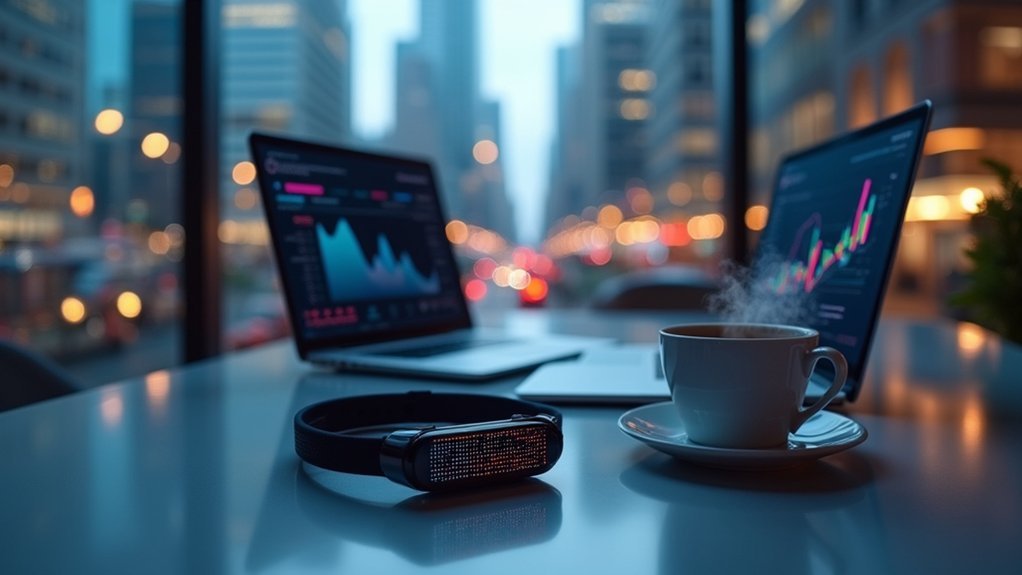
Advanced biometric sensors and artificial intelligence now enable you to monitor worker alertness in real-time, transforming how organizations prevent fatigue-related incidents before they occur.
These sophisticated systems analyze your fatigue levels continuously, protecting workplace safety through immediate interventions when performance degradation threatens.
Real-time alertness monitoring and predictive analytics deliver powerful capabilities:
- Wearable devices track your biometric data and behavioral patterns, providing instant feedback about your alertness status.
- Predictive analytics examine historical data on shift patterns and sleep quality to forecast potential fatigue-related incidents.
- Advanced algorithms model fatigue risk using circadian rhythms, workload intensity, and shift duration for ideal scheduling optimization.
- Immediate interventions recommend rest breaks when needed, helping organizations achieve up to 30% reduction in fatigue-related mishaps.
Integration With Scheduling Software for Optimal Workforce Management
While real-time monitoring provides the data you need, the true power emerges when you integrate these assessment tools directly with your scheduling software to create intelligent workforce management systems.
This integration enables automatic fatigue risk scoring that drives data-driven decisions for shift assignments, ensuring your most alert workers handle critical operations.
You’ll receive real-time updates that automatically adjust schedules based on employee fatigue levels, preventing burnout while maximizing operational efficiency.
The system eliminates scheduling conflicts by accounting for mandatory rest periods, ensuring compliance with labor regulations and reducing legal risks.
Through integrated analytics, you can identify fatigue patterns across your workforce, enabling proactive scheduling adjustments that improve retention and engagement while maintaining productivity standards.
Measuring ROI and Safety Improvements From Rest Assessment Tools
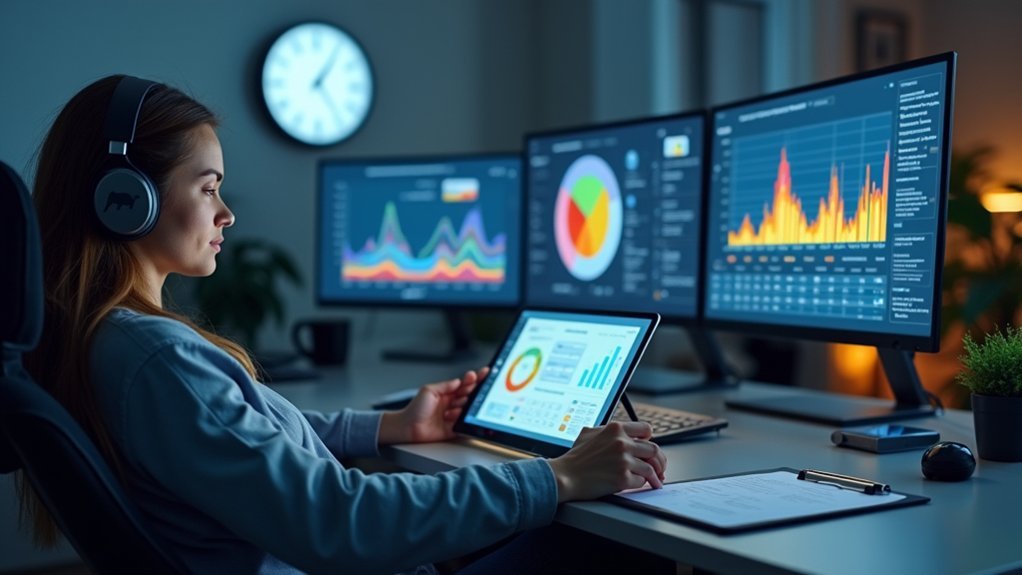
Although implementing rest assessment tools requires upfront investment, you’ll quickly discover that the financial and safety returns far exceed initial costs.
These tools directly address fatigue risks while delivering measurable improvements across multiple business metrics.
Here’s how rest assessment tools transform your bottom line:
- Safety Performance: You can reduce fatigue-related incidents by up to 30%, dramatically improving workplace safety and minimizing costly accidents that often exceed $1 million annually in high-risk industries.
- Financial Returns: You’ll achieve 2-3 times ROI through decreased absenteeism and enhanced workforce efficiency, with productivity gains of 15-25%.
- Employee Satisfaction: Your turnover rates can drop by 20% as improved work-life balance increases retention.
- Operational Excellence: Data-driven shift scheduling reduces operational costs while optimizing rest periods for maximum performance.
Frequently Asked Questions
What Is the Best Software for Employee Scheduling?
You’ll find When I Work and Planday offer excellent user-friendly interfaces with mobile access. For complex rotating shifts, consider TimeTrex. Deputy provides strong payroll integration, while Shiftboard delivers real-time updates preventing conflicts.
What Is the Best Approach for Arranging Schedules for Shift Workers?
You should rotate shifts forward, guarantee 11-hour rest periods between shifts, use fatigue management software, offer flexible scheduling options, and implement data-driven practices to optimize performance while minimizing fatigue.
What Is the Best App to Use for Scheduling?
You’ll find When I Work offers the most user-friendly experience with excellent mobile access for shift swapping. However, if you need complex rotating schedules, TimeTrex works better for dynamic staffing requirements.
How to Keep Track of Employee Availability?
You’ll want to use shift scheduling software with real-time updates and mobile access. Enable self-scheduling options, integrate with your HR systems, and maintain regular communication with employees to guarantee availability information stays current.


