

The best rest assessment tools for shift workers combine real-time fatigue monitoring with predictive analytics to enhance your safety and performance. You’ll want solutions like CIRCADIAN® Alertness Simulator that integrate with scheduling software, plus wearable devices from Fitbit or smartwatches that track sleep patterns and physiological indicators. These tools can reduce workplace accidents by up to 30% through continuous biometric tracking and immediate fatigue threshold alerts. Explore extensive platforms that seamlessly connect with your workforce management systems for ideal results.
Understanding Rest Assessment Tools for Shift Workers
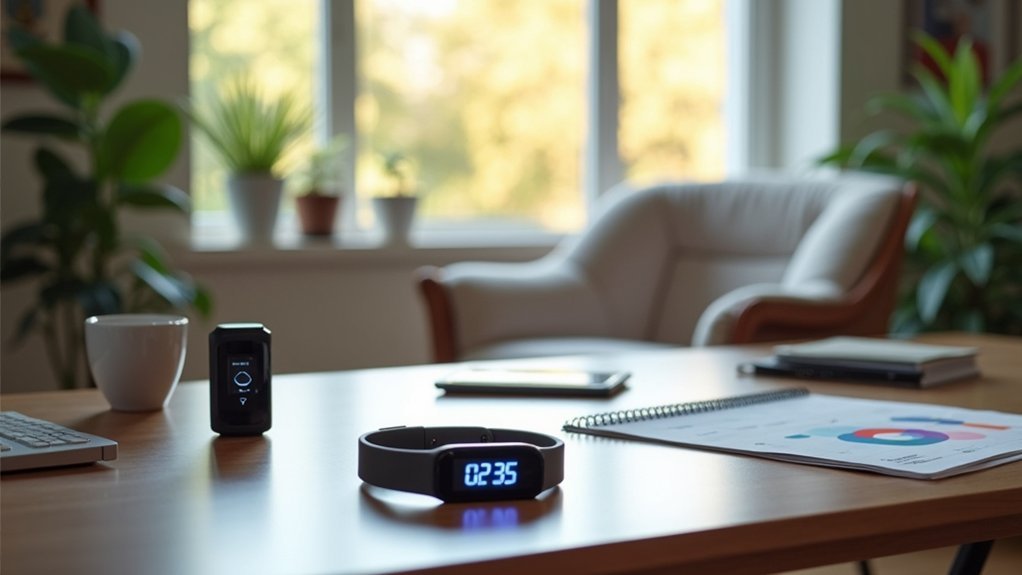
When managing shift workers, you’ll find that rest assessment tools serve as critical instruments for evaluating sleep quality, recovery periods, and fatigue levels across your workforce.
These sophisticated systems use algorithms and data analytics to calculate individual fatigue risk based on work schedules, enabling you to make informed decisions about shift assignments.
Your fatigue risk management system can integrate seamlessly with existing scheduling software, providing real-time alerts when potential fatigue-related issues arise. This guarantees you’re meeting industry standards for worker safety and compliance.
Tools like the CIRCADIAN® Alertness Simulator analyze duty-rest data to predict fatigue levels and recommend best scheduling practices.
When implemented effectively, these rest assessment tools deliver measurable reductions in workplace accidents and errors.
Key Features to Look for in Rest Assessment Software
Five essential features distinguish premium rest assessment software from basic fatigue management tools. You’ll need real-time fatigue risk assessment and modeling capabilities that identify ideal scheduling patterns while reducing fatigue-related incidents. Integration with your existing scheduling software and payroll systems streamlines data flow and enhances operational efficiency.
| Feature Category | Core Capability | Business Impact |
|---|---|---|
| Risk Assessment | Real-time fatigue modeling | Reduces safety incidents |
| Integration | Connects with employee scheduling software | Streamlines operations |
| Reporting | Customizable performance tracking | Data-driven decisions |
Your chosen platform should offer customizable reporting features for tracking key performance indicators related to employee alertness. Look for user-friendly interfaces with mobile accessibility, ensuring both managers and workers can easily assess rest needs. Educational resources and training modules support successful implementation.
Top-Rated Sleep Quality Monitoring Applications

You’ll find that today’s leading sleep monitoring apps offer sophisticated real-time tracking capabilities that continuously analyze your sleep patterns throughout the night.
These applications excel at fatigue risk analytics, using your sleep data to predict when you’re most vulnerable to drowsiness during upcoming shifts.
The mobile features you’ll appreciate most include smart alarms, personalized sleep scores, and detailed trend analysis that help you optimize your rest schedule around irregular work hours.
Real-Time Sleep Tracking
Since shift workers face unique challenges in maintaining consistent sleep patterns, real-time sleep tracking applications have become essential tools for monitoring and improving rest quality.
Apps like Sleep Cycle and Fitbit use advanced algorithms and sensors to provide continuous insights into your sleep duration and patterns. This real-time sleep tracking technology helps you understand when you’re getting quality rest despite irregular schedules.
These applications enhance fatigue management by notifying you of ideal wake-up times based on your sleep cycles, reducing grogginess during work hours.
Sleep quality monitoring features analyze heart rate variability through devices like Oura Ring, allowing you to assess recovery and stress levels. You’ll identify trends in your sleep data, enabling adjustments to improve rest periods for better performance.
Fatigue Risk Analytics
Advanced fatigue risk analytics tools transform how shift workers understand their sleep quality by processing complex data patterns into actionable insights.
You’ll discover these applications utilize sophisticated algorithms to evaluate your sleep patterns and assess fatigue risks in real-time. When you integrate wearable technology, you’re providing employers with extensive data to optimize shift assignments based on your actual fatigue levels.
These sleep quality monitoring tools considerably reduce workplace accidents by up to 40% through proactive fatigue management strategies.
You can access user-friendly mobile interfaces that let you log sleep data effortlessly while receiving personalized recommendations. The analytics help you identify peak alertness periods and vulnerable timeframes, enabling better schedule optimization.
You’re empowered to make informed decisions about rest periods and shift preferences.
Mobile App Features
While extensive analytics provide the foundation for fatigue management, mobile applications bring these powerful insights directly to your fingertips through intuitive interfaces designed specifically for shift workers.
These sophisticated tools transform complex sleep data into actionable recommendations that’ll help you optimize your rest patterns despite irregular schedules.
Top-rated sleep monitoring applications offer essential features that make them an effective scheduling solution for shift work:
- Smart alarm systems that wake you during lighter sleep phases to reduce grogginess
- Personalized sleep cycle tracking with detailed quality assessments and improvement recommendations
- Integration with wearable devices for continuous heart rate and movement monitoring
- Customizable sleep schedule reminders tailored to your rotating shifts
- Advanced features including sound analysis algorithms for precise sleep pattern detection
User reviews consistently report improved energy levels and enhanced sleep quality after regular use.
Wearable Devices for Fatigue Management

As technology continues to reshape workplace safety, wearable devices have emerged as powerful tools that monitor your physiological indicators in real-time to assess fatigue levels.
These smartwatches and fitness trackers use sensors to track heart rate variability, sleep patterns, and activity levels, giving you thorough insights into your current fatigue management status.
You’ll benefit from advanced algorithms that predict when you’re approaching dangerous fatigue levels and suggest ideal break times or shift adjustments.
Users report improved awareness of their exhaustion patterns, leading to more proactive scheduling decisions and healthier lifestyle choices.
When integrated with workplace fatigue risk management systems, these wearable devices provide data-driven evidence for safety compliance and employee well-being initiatives, making them essential tools for shift workers.
Real-Time Alertness Monitoring Systems
Real-time alertness monitoring systems take fatigue detection beyond passive tracking by delivering instant assessments of your cognitive state throughout your entire shift.
These advanced tools continuously analyze your biometric data to predict when employee fatigue might compromise workplace safety.
Key features of real-time alertness monitoring include:
- Continuous biometric tracking – Heart rate variability and movement patterns provide ongoing fatigue assessment
- Predictive algorithms – Advanced software anticipates alertness fluctuations before they become dangerous
- Immediate alerts – Both you and management receive instant notifications when fatigue thresholds are exceeded
- HR system integration – Seamless data flow with existing scheduling and workforce management software
- Proven results – Studies show up to 30% accident reduction in high-risk industries
You’ll receive actionable feedback that enables proactive fatigue management strategies.
Circadian Rhythm Tracking Solutions
You’ll find that circadian rhythm tracking solutions revolutionize how you understand your body’s natural sleep-wake patterns during shift work.
These sophisticated tools analyze your sleep patterns while monitoring your alertness levels throughout different work schedules.
You can leverage this technology to identify ideal times for peak performance and recognize when fatigue risks are highest.
Sleep Pattern Analysis
When managing shift work schedules, sleep pattern analysis tools become essential for understanding how your circadian rhythm responds to irregular hours.
These sophisticated solutions utilize wearable technology to track your sleep stages in real-time, revealing how different work schedules impact your natural sleep cycles.
Advanced analysis tools offer several key benefits:
- Generate personalized reports highlighting your fatigue and alertness patterns
- Identify ideal rest periods based on your individual circadian rhythm data
- Integrate seamlessly with existing workforce management systems
- Provide actionable insights for better shift scheduling
- Enable targeted fatigue management strategies aligned with your natural sleep cycles
Alertness Monitoring Technology
Modern alertness monitoring technology transforms how shift workers understand their fatigue patterns through sophisticated circadian rhythm tracking solutions.
You’ll benefit from advanced algorithms that assess and predict your fatigue levels based on your specific work schedules and rest periods. These Circadian Rhythm Tracking Solutions incorporate the Circadian Alertness Simulator (CAS), which analyzes your duty-rest data to forecast when you’re likely to experience fatigue.
The technology provides real-time feedback and reporting, enabling your employer to make data-driven scheduling decisions. Through precise fatigue modeling, these tools guarantee that the most alert workers handle critical operational roles.
You’ll experience measurable improvements in safety and performance as organizations using these systems report significant reductions in fatigue-related incidents across 24/7 operations.
Sleep Debt Calculator Tools
Sleep debt calculators serve as essential diagnostic tools that quantify your cumulative sleep deficiency by measuring the gap between recommended sleep duration and actual hours obtained.
Sleep debt calculators measure the critical gap between your recommended and actual sleep hours to reveal cumulative deficiency.
These tools help shift workers understand their sleep deficits and develop effective recovery strategies.
Key features of effective sleep debt calculators include:
- Personalized sleep requirements – Adjusting calculations based on your individual needs (typically 7-9 hours)
- Comprehensive fatigue risk assessment – Analyzing how accumulated debt affects alertness and cognitive performance
- Shift-specific factors – Incorporating rotation patterns, time of day, and recovery periods
- Performance impact insights – Demonstrating connections between sleep debt and work efficiency
- Strategic recommendations – Providing actionable guidance for improving sleep hygiene and schedule management
You’ll find these calculators invaluable for making informed decisions about work scheduling and prioritizing adequate rest.
Recovery Time Assessment Platforms
While calculating sleep debt reveals how much rest you’ve missed, recovery time assessment platforms focus on enhancing the quality and duration of rest periods between your shifts.
These sophisticated tools analyze your individual work schedule using algorithms that assess your fatigue levels and identify ideal recovery strategies tailored to your specific needs.
Recovery time assessment platforms integrate seamlessly with existing scheduling software, providing real-time monitoring of your rest periods while ensuring compliance with labor regulations.
They enhance fatigue management programs by collecting data that highlights trends in fatigue-related incidents, enabling targeted interventions to improve your safety and performance.
Integration With Workforce Management Systems
When you integrate fatigue assessment tools with workforce management systems, you’ll release powerful automation that transforms how your organization handles shift scheduling and compliance monitoring.
This integration creates a thorough fatigue risk management ecosystem that benefits everyone:
- Real-time scheduling adjustments – Your system automatically modifies shift assignments based on current fatigue levels.
- Labor regulation compliance – Synchronized employee data ensures you’re meeting work-rest cycle requirements.
- Performance analytics – You’ll collect key indicators to identify trends and implement proactive risk measures.
- Streamlined processes – API connections reduce administrative burdens by linking HR and payroll systems.
- Personalized employee schedules – Workers receive customized assignments that align with their well-being and preferences.
You’ll transform workforce management systems into intelligent platforms that prioritize safety while maintaining operational efficiency.
Cost-Benefit Analysis of Rest Assessment Technologies
Beyond the operational advantages of integrated workforce management systems, you’ll need concrete financial evidence to justify investing in rest assessment technologies.
A thorough cost-benefit analysis reveals compelling returns: most fatigue management solutions deliver a 4-to-1 ROI while reducing fatigue-related incidents by 20-30%.
Fatigue management solutions consistently deliver 4-to-1 returns on investment while cutting workplace incidents by up to 30%.
You’ll see immediate savings through optimized shift scheduling, with companies reporting up to $1 million annually in reduced overtime costs.
Your operational efficiency will improve 15-25% as worker productivity increases, directly boosting revenue.
Healthcare expenses drop up to 40% when fatigue-related health issues decrease.
These technologies pay for themselves through reduced absenteeism, lower turnover rates, and fewer accident-related costs, making them financially sound investments for any 24/7 operation.
Frequently Asked Questions
What Is the Best Software for Employee Scheduling?
You’ll find When I Work and Planday excellent for user-friendly scheduling, while Deputy and Instant Insights offer advanced fatigue management. Choose based on your industry’s complexity, integration needs, and budget for subscription-based models.
What Is the Best Approach for Arranging Schedules for Shift Workers?
You’ll achieve ideal shift scheduling by implementing forward rotation patterns, using automated software with fatigue assessment features, adhering to labor regulations, and incorporating employee input through self-scheduling options to maximize satisfaction.
What Is the Best App to Use for Scheduling?
You’ll want to choose based on your specific needs: When I Work for user-friendly self-scheduling, Deputy for compliance tracking, Planday for payroll integration, Shiftboard for AI-driven optimization, or TimeTrex for complex rotating schedules.
How to Keep Track of Employee Availability?
You’ll track employee availability effectively by using real-time scheduling software with mobile access, encouraging advance submissions through self-service portals, analyzing patterns regularly, and maintaining open communication channels for updates.


