

After sleep deprivation episodes, you’ll need three key supplements to accelerate recovery. Melatonin (0.5-5mg) restores your natural sleep-wake cycles and reduces time to fall asleep by 7-12 minutes. Magnesium (310-420mg daily) acts as a natural relaxation mineral, promoting deep restorative sleep while preventing muscle cramps. L-Theanine (100-200mg) calms your overactive mind without drowsiness by boosting GABA and serotonin levels. These targeted supplements work together to rebuild your body’s natural rhythms and support thorough recovery strategies.
Melatonin for Restoring Natural Sleep Cycles
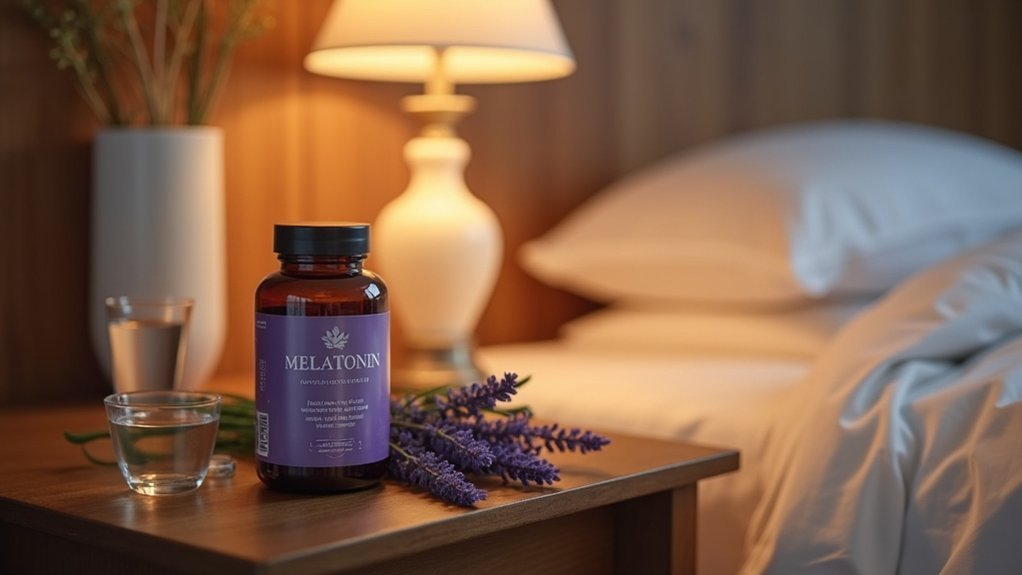
When your sleep cycle becomes disrupted after periods of deprivation, melatonin supplementation can effectively signal your body to restore its natural rhythm. This hormone regulates sleep-wake cycles and helps reestablish natural sleep patterns by indicating it’s time to sleep.
Melatonin improves sleep onset, duration, and quality, particularly if you’re experiencing insomnia or disrupted schedules from shift work. Studies show it reduces time to fall asleep by 7-12 minutes.
You’ll want to take 0.5-5 mg doses thirty to sixty minutes before bedtime, with lower amounts often proving more effective. While side effects like dizziness and daytime drowsiness are generally mild, you should consult a healthcare professional before starting supplementation, especially for long-term use.
Magnesium for Deep Sleep and Muscle Relaxation
Magnesium serves as your body’s natural relaxation mineral, playing an essential role in calming your nervous system and promoting the deep, restorative sleep you need after periods of deprivation.
Magnesium acts as nature’s sleep aid, calming your nervous system and delivering the restorative rest your body craves.
This powerful mineral enhances sleep quality by regulating neurotransmitters and blocking stress hormones that interfere with rest. You’ll benefit from magnesium’s ability to promote muscle relaxation by acting as a natural calcium blocker, preventing the muscle cramps and tension that often follow exhausting episodes.
The recommended daily intake ranges from 310-420mg depending on your age and sex. You can boost your magnesium levels through a balanced diet featuring leafy greens, nuts, and whole grains.
These foods naturally support your recovery and overall wellness while addressing deficiency-related sleep disorders and anxiety.
L-Theanine for Calming the Overactive Mind

After experiencing deprivation episodes, your mind often races with stress and anxiety that can perpetuate the cycle of poor recovery.
L-theanine offers powerful calming effects that directly address these mental health conditions by promoting relaxation without drowsiness. This amino acid enhances focus while reducing anxiety, making it ideal for overactive minds struggling to settle down.
L-theanine produces positive effects by increasing essential neurotransmitters like GABA, dopamine, and serotonin in your brain. These chemicals regulate mood and promote mental stability during recovery periods. The best dosage ranges from 100-200mg daily, with most people experiencing benefits at 100mg.
When combined with caffeine, L-theanine improves cognitive performance while eliminating jittery side effects. This combination delivers enhanced mental clarity, helping you regain control over racing thoughts and establish healthier recovery patterns.
Frequently Asked Questions
What Supplements Are Good for Recovery After Intense Workout?
You’ll benefit from whey protein for muscle repair, creatine for reduced inflammation, BCAAs to minimize soreness, omega-3s for anti-inflammatory effects, and magnesium for muscle relaxation after your intense training sessions.
What Are the Best Supplements for Post Run Recovery?
You’ll recover best with whey protein within thirty minutes, creatine for energy replenishment, BCAAs to reduce soreness, omega-3s for inflammation control, and electrolytes to restore minerals lost through sweat.
What Supplements Are Good for Muscle Repair After Injury?
You’ll want whey protein within 60 minutes post-injury, BCAAs at 10-30 grams daily, creatine with a 20-gram loading phase, omega-3s for inflammation reduction, and magnesium for muscle relaxation and soreness relief.
What Can I Take to Improve Recovery?
You can take protein supplements, BCAAs, and creatine to enhance muscle recovery. Omega-3s reduce inflammation while electrolytes restore hydration. These’ll greatly improve your post-workout recovery and reduce soreness.
In Summary
You’ve got three powerful allies in your recovery toolkit. Melatonin will reset your disrupted circadian rhythm, magnesium will relax your tense muscles while promoting deeper sleep, and L-theanine will quiet your racing thoughts. Don’t expect overnight miracles—consistent use is key. Start with one supplement and gradually add others as needed. Your body’s been through enough stress, so give these natural compounds time to work their restorative magic.


Leave a Reply