
Your recovery time varies considerably by age because your body’s repair mechanisms slow down over time. Cellular senescence reduces tissue regeneration, while declining growth hormone and testosterone levels hamper protein synthesis and muscle repair. Your immune system becomes less efficient at healing, and inflammatory responses weaken with age. Recovery that once took 24-48 hours in your twenties can extend to 4-7 days as you get older, making proper nutrition and lifestyle adjustments essential for ideal healing.
How Cellular Changes Impact Recovery Speed Across Age Groups
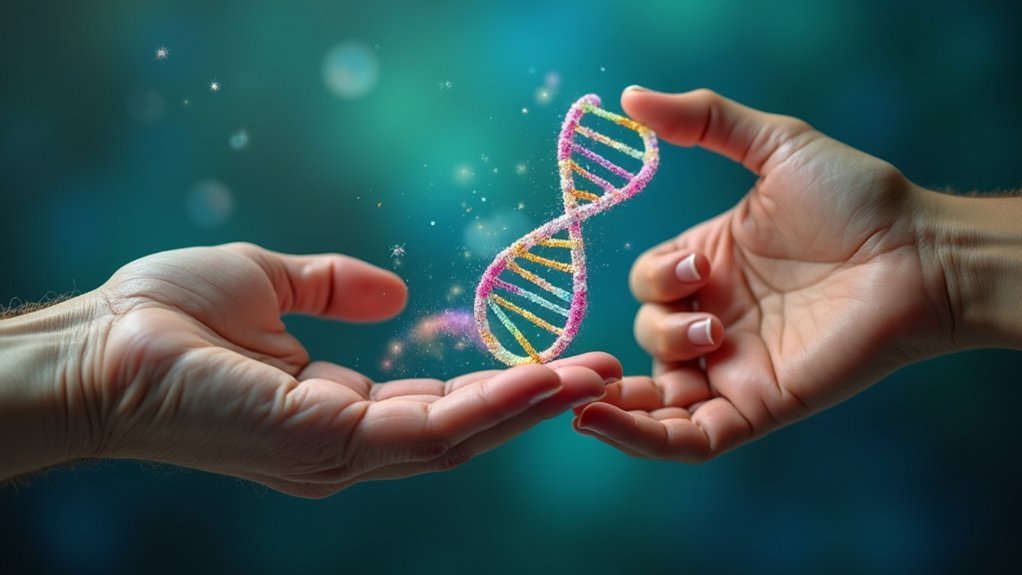
As you age, your body’s cellular machinery undergoes fundamental changes that directly slow your recovery speed.
Cellular senescence accumulates over time, permanently reducing your cells’ ability to divide and regenerate damaged tissues. This leads to considerably longer recovery times – while you might’ve bounced back from workouts in 24-48 hours during your younger years, you’ll now need 4-7 days for proper muscle repair.
Your immune system becomes less effective with age-related changes, weakening the inflammatory response that kickstarts your healing process.
Additionally, declining hormone production of growth hormone and testosterone reduces protein synthesis, which is essential for rebuilding muscles.
These combined factors mean your body’s natural healing process operates at a slower pace, requiring more patience and strategic recovery planning.
The Role of Hormonal Decline in Slower Healing Processes
While cellular changes create the foundation for slower recovery, hormonal decline serves as the primary driver behind your body’s diminished healing capacity.
As you age, growth hormone and testosterone levels drop markedly, directly impacting muscle protein synthesis and extending muscle recovery time. You’ll notice recovery stretching from 48-72 hours in your middle years to 4-7 days as an older adult due to decreased anabolic hormones.
For women, post-menopausal estrogen decline further compromises muscle mass and strength.
These slower healing processes mean you can’t bounce back like you used to. However, understanding hormonal decline’s impact helps you adjust your exercise regimens accordingly, allowing adequate recovery between sessions and preventing overexertion that could lead to injury.
Age-Related Immune System Changes and Recovery Efficiency
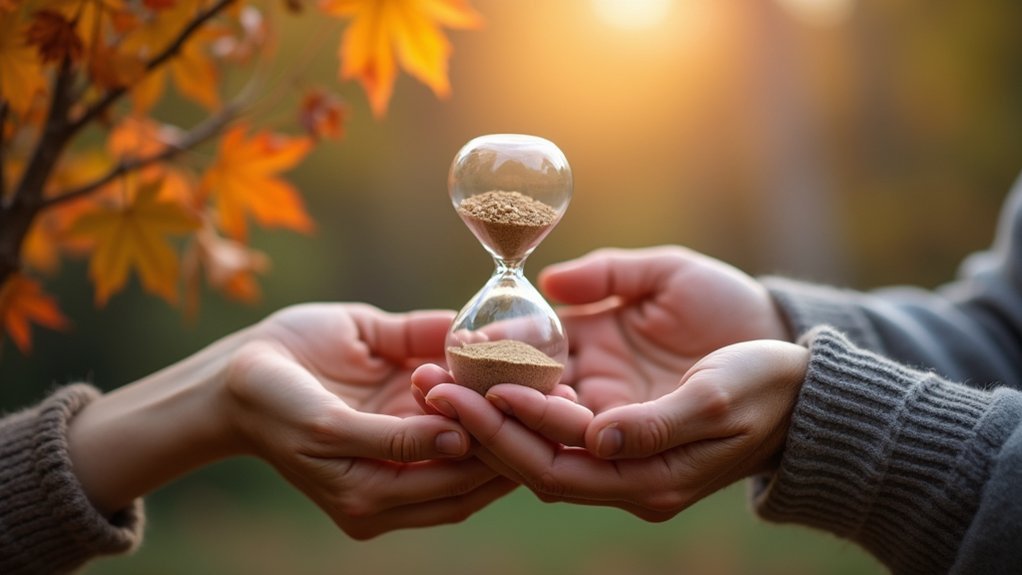
As you age, your immune system’s ability to mount a quick response dramatically slows down, making it harder for your body to kickstart the healing process after injury or illness.
You’ll notice that inflammation patterns shift too – instead of the sharp, targeted inflammatory response you’d when younger, you’re more likely to experience delayed or prolonged inflammation that can actually hinder recovery.
Your body’s defense mechanisms become less coordinated and efficient, leaving you vulnerable to infections and complications that can considerably extend your recovery time.
Immune Response Slows
When you reach your later years, your immune response becomes markedly less efficient, creating a cascade effect that greatly prolongs recovery times after injuries, surgeries, and even intense workouts.
Your body produces fewer immune cells, directly impairing your ability to combat infections and promote effective tissue repair. These physiological changes result in an inadequate inflammatory response, which is essential for initiating the healing process and muscle repair mechanisms.
The accumulation of senescent immune cells in older patients releases harmful substances that damage surrounding tissues, further hindering your recovery process.
Research demonstrates this impact clearly: while younger adults recover from intense exercise in 24-48 hours, you may require 4-7 days for complete healing, illustrating how aging fundamentally alters your body’s recovery capabilities.
Inflammation Timing Changes
Beyond the reduced immune cell production, your body’s inflammatory timing becomes fundamentally disrupted as you age. While younger individuals experience rapid, robust inflammatory responses that quickly initiate healing processes, older adults face delayed inflammatory reactions that extend recovery periods considerably.
Your immune system’s production of pro-inflammatory cytokines decreases with age, creating a less effective initial response to injury or exercise stress. This delayed inflammatory response directly impacts your recovery efficiency, as inflammation serves as the vital first step in tissue repair.
| Age Group | Inflammatory Response Time |
|---|---|
| 20-30 years | 2-6 hours |
| 40-50 years | 6-12 hours |
| 60-70 years | 12-24 hours |
| 70+ years | 24-48 hours |
Senescent immune cells accumulate in your system, further hindering effective inflammatory responses and negatively affecting your overall recovery rates.
Weakened Defense Mechanisms
This delayed inflammatory response reflects a broader deterioration in your immune system’s defensive capabilities that compounds recovery challenges throughout aging.
As you get older, your weakened defense mechanisms stem from decreased immune cell production, limiting your body’s ability to repair damaged tissues effectively. Your slower inflammatory response hampers the healing process, while age-related changes in cytokine production create chronic low-grade inflammation that interferes with recovery.
The accumulation of senescent immune cells further impairs your immune system’s responsiveness to injuries and surgery.
These compromised defensive mechanisms greatly extend recovery times for older adults, requiring 4-7 days for muscle recovery compared to just 24-48 hours for younger individuals. Your body’s diminished capacity to combat infections and initiate proper healing responses creates increasingly challenging recovery scenarios.
Sleep Quality Deterioration and Its Effect on Recovery Time

As you age, your sleep quality naturally deteriorates, creating a cascade of effects that markedly extends your recovery time from physical activity.
You’ll experience fragmented sleep patterns that reduce the deep sleep essential for muscle recovery and restoration. This disruption compromises your hormonal regulation, particularly affecting growth hormone production important for tissue repair.
When you don’t achieve the ideal 7-9 hours nightly, your body produces elevated cortisol levels, further hindering muscle recovery processes.
Sleep deprivation also delays your inflammation response, which is critical for healing damaged tissues.
Sleep deprivation disrupts your body’s natural inflammation response, significantly slowing the healing process for damaged muscle tissues.
Older adults face a double challenge: reduced sleep efficiency combined with longer recovery times from physical exertion.
Your body simply can’t repair itself as effectively without quality rest, creating extended rehabilitation periods.
Metabolic Rate Slowdown and Energy Available for Healing
While sleep quality profoundly impacts your recovery, your body’s declining metabolic rate creates an equally challenging obstacle to healing efficiently. Starting in your 30s, your metabolism slowdown reduces energy availability by 1-2% per decade, directly limiting your tissue repair capabilities.
| Age Range | Recovery Challenge |
|---|---|
| 20s-30s | Ideal energy for healing and recovery |
| 40s-50s | Reduced metabolism affects tissue repair |
| 60s+ | Severely limited energy availability |
This age-related changes in metabolism means your body can’t meet the increased demands of recovery times following injuries or intense exercise. Your nutritional needs also shift dramatically—you’ll require higher quality nutrients to compensate for decreased metabolic efficiency. Combined with hormonal changes, this metabolic decline greatly prolongs your body’s ability to regenerate tissues effectively.
Chronic Health Conditions That Accumulate With Age
Beyond metabolic decline, chronic health conditions that accumulate throughout your lifetime create compounding barriers to efficient recovery.
Diabetes, arthritis, and cardiovascular diseases become increasingly common as you age, disrupting circulation and immune function essential for healing. These conditions trigger slower cell regeneration, directly extending your healing times after injuries or surgeries.
You’ll also face muscle mass loss from sarcopenia and decreased bone density, making recovery from physical trauma more challenging.
Chronic health conditions interfere with nutrient absorption and disrupt normal inflammatory responses vital for healing initiation. As an older adult, you’re likely to experience delayed inflammatory responses, which further prolongs recovery processes.
This cascade of age-related health issues creates a complex web of factors that greatly impacts your body’s ability to heal efficiently.
Lifestyle Factors That Influence Recovery at Different Life Stages
Your daily habits profoundly impact how quickly you recover from physical activity, and these effects become more pronounced as you age.
Sleep quality and stress levels directly influence your body’s ability to repair muscle tissue and restore energy, while poor nutrition and hydration habits can dramatically slow your recovery process.
Understanding how these lifestyle factors change across different life stages will help you optimize your recovery strategy for your current age and circumstances.
Sleep and Stress Management
As you navigate different stages of life, your sleep quality and stress levels become increasingly essential factors that determine how quickly your body bounces back from physical challenges.
Quality sleep promotes muscle repair through hormone release during deep sleep phases, benefiting your overall health regardless of age. However, sleep deprivation elevates cortisol and epinephrine levels, which directly impair muscle building and recovery processes.
Effective stress management becomes even more crucial as you age, since older adults face weakened immune responses that amplify stress impacts.
Chronic stress triggers inflammation, prolonging your healing process considerably. By implementing consistent sleep routines and stress management techniques like mindfulness or meditation, you’ll optimize your hormonal responses and achieve faster recovery times, maintaining resilience throughout different life stages.
Nutrition and Hydration Habits
While sleep and stress management form the foundation of recovery, the fuel you provide your body through nutrition and hydration directly impacts how effectively these processes work. Your protein intake becomes increasingly important as you age, since muscle response decreases and older adults require more to maintain tissue repair. Proper hydration supports nutrient transport and waste removal, though aging reduces your body’s water conservation ability.
| Age Group | Protein Needs | Key Focus | Recovery Priority |
|---|---|---|---|
| 20-30 | Standard intake | Energy balance | Quick glycogen replenishment |
| 31-50 | Slightly increased | Metabolism support | Sustained muscle recovery |
| 50+ | Noticeably higher | Absorption optimization | Essential vitamins and minerals |
You’ll need to replenish glycogen stores efficiently while ensuring adequate essential vitamins and minerals for ideal muscle recovery and overall wellness.
Frequently Asked Questions
Why Does Recovery Take Longer as You Age?
As you age, your body produces fewer hormones like growth hormone and testosterone, slowing protein synthesis. You’ll also experience reduced blood flow, weaker immune responses, and muscle mass loss, all延长ing recovery times.
How Does Age Affect Recovery Rate?
As you age, your recovery rate slows markedly due to decreased protein synthesis, muscle fiber loss, and delayed inflammatory responses. You’ll need longer rest periods and increased protein intake to support healing.
Why Does Age Affect the Time Taken to Recover From Injuries?
As you age, your body produces fewer hormones like growth hormone and testosterone, slowing protein synthesis. Your immune system also weakens, delaying inflammation responses needed for healing, which extends your recovery time.
What Influences Recovery Time?
Your recovery time depends on several factors you can control and some you can’t. Your age, fitness level, nutrition quality, sleep duration, stress levels, hydration status, and workout intensity all directly impact how quickly you’ll heal.
In Summary
You’ll find your recovery speed naturally slows as you age due to cellular changes, declining hormones, and a less efficient immune system. Your sleep quality deteriorates while your metabolism slows, leaving less energy for healing. You’re also more likely to develop chronic conditions that complicate recovery. However, you can’t ignore lifestyle factors – maintaining good nutrition, staying active, and managing stress will help optimize your body’s healing potential regardless of age.


