
You’ll manage sleep apnea most effectively as a senior by implementing three key strategies. First, work with your healthcare provider to customize CPAP therapy with the right mask type and pressure settings for your comfort and lifestyle. Second, make targeted lifestyle changes like losing 10-15% of your weight, sleeping on your side, and avoiding alcohol before bed. Third, maintain regular monitoring through sleep diaries and follow-up appointments to adapt your treatment as your needs evolve over time.
Personalized CPAP Therapy and Equipment Selection
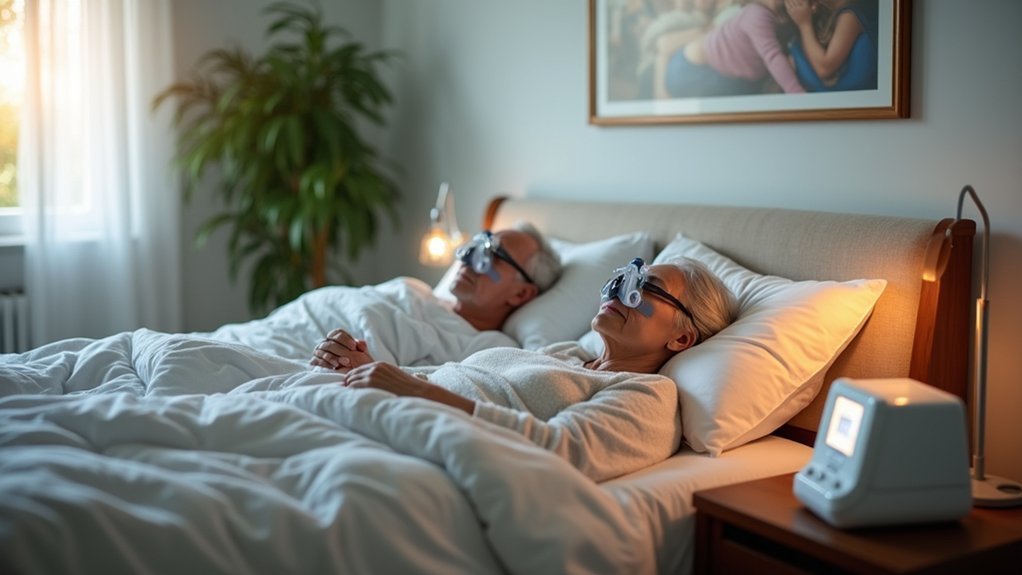
Every senior experiencing sleep apnea deserves CPAP therapy tailored to their unique needs, comfort preferences, and lifestyle.
Personalized treatment plans begin with thorough sleep studies that determine your ideal pressure delivery settings. Healthcare providers then help you select from various CPAP masks—nasal pillows, full-face masks, or nasal masks—based on your facial structure and breathing patterns.
Effective CPAP therapy starts with comprehensive sleep studies and careful mask selection tailored to individual facial structure and breathing patterns.
Your comfort preferences play an essential role in equipment selection, as the right mask greatly impacts your willingness to use the device consistently. Tailored equipment considers factors like mask fit, pressure tolerance, and sleeping position preferences.
Regular consultations with healthcare providers guarantee your CPAP therapy remains effective as your needs evolve. This personalized approach helps seniors with sleep apnea achieve better treatment adherence and improve sleep quality considerably.
Lifestyle Modifications and Environmental Adjustments
While CPAP therapy forms the foundation of sleep apnea treatment, simple lifestyle changes and bedroom adjustments can dramatically enhance your sleep quality and reduce symptom severity.
Weight loss of just 10-15% can decrease severe sleep apnea risk by 50%. Changing sleep positions from back to side-sleeping helps over half of patients by preventing airway blockages. Regular physical activity, including yoga, strengthens respiratory muscles and improves oxygen flow.
You’ll want to avoid alcohol since it relaxes throat muscles, and quit smoking to reduce airway irritation and inflammation. Humidifiers combat dry air that worsens symptoms, while certain essential oils can enhance breathing comfort if you’re allergy-free.
| Modification | Benefit | Implementation |
|---|---|---|
| Weight Management | 50% risk reduction | 10-15% weight loss |
| Side Sleeping | Prevents blockages | Use positioning pillows |
| Exercise/Yoga | Stronger airways | 30 minutes daily |
| Alcohol Avoidance | Prevents muscle relaxation | Stop 4 hours before bed |
| Humidification | Reduces irritation | Bedroom humidity 30-50% |
Regular Monitoring and Treatment Plan Adaptations
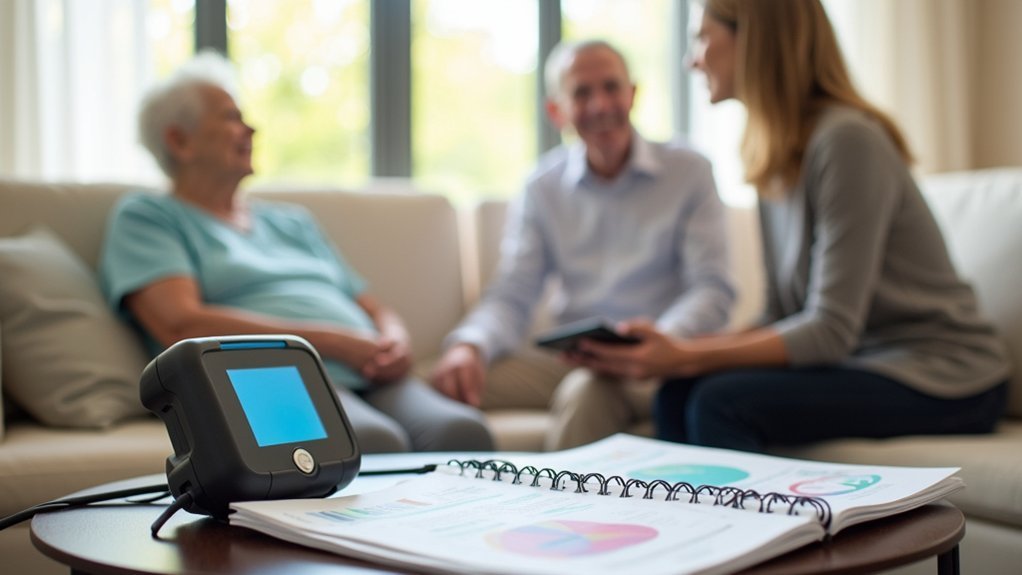
Since sleep apnea symptoms and health conditions evolve over time, you’ll need consistent monitoring and treatment adjustments to maintain ideal results.
Regular monitoring with healthcare providers helps assess your treatment plan’s effectiveness and identify necessary modifications. You’ll want to track symptoms like daytime sleepiness and sleep quality to guide enhancement strategies.
Your healthcare team might recommend switching CPAP mask types, adjusting pressures, or exploring alternative therapies based on your response.
Consider incorporating lifestyle changes that complement your current treatment approach.
Maintaining a sleep diary documenting symptoms and compliance creates valuable data for follow-up discussions.
Continuous communication between you, caregivers, and healthcare providers guarantees proper adherence and superior management of your sleep apnea condition.
Frequently Asked Questions
How Do You Treat Sleep Apnea in the Elderly?
You’ll primarily use CPAP therapy, which effectively treats sleep apnea by keeping airways open. If you can’t tolerate CPAP, you’d consider oral appliances, lifestyle changes, or surgical options in severe cases.
What Is the 3% Rule for Sleep Apnea?
The 3% rule means you’re experiencing significant sleep apnea when your blood oxygen levels drop by 3% or more during sleep. This threshold helps doctors assess your condition’s severity and determine appropriate treatment options.
What Is the Most Successful Treatment for Sleep Apnea?
CPAP therapy’s your most successful treatment for sleep apnea. You’ll experience markedly improved sleep quality and reduced health risks when you consistently use it. It’s proven most effective compared to other treatment options available.
What Is the New Technique for Sleep Apnea?
The new technique you’ll find available is upper airway stimulation therapy. You’ll have a small device implanted that stimulates your hypoglossal nerve, preventing airway collapse by activating muscles keeping airways open.
In Summary
You’ve got three powerful tools to manage your sleep apnea effectively. Start by working with your doctor to find the right CPAP equipment that fits your specific needs. Don’t underestimate simple lifestyle changes like adjusting your sleep position or creating a better bedroom environment. Most importantly, you’ll need regular check-ins with your healthcare team to fine-tune your treatment plan as your condition evolves over time.


