
You’ll want a sleep tracking watch with 90% sleep epoch detection accuracy, like the Whoop 5.0 or Oura Ring Gen 4, which offer thorough heart rate variability monitoring for recovery assessment. Prioritize extended battery life to avoid interruptions during training cycles, and make sure the device integrates with your fitness apps for combined performance metrics. Consider durability standards like MIL-STD-810 for sweat and impact resistance. Your choice between subscription models versus one-time purchases depends on whether you need ongoing coaching insights or basic sleep data.
Essential Features Athletes Need in Sleep Tracking Watches
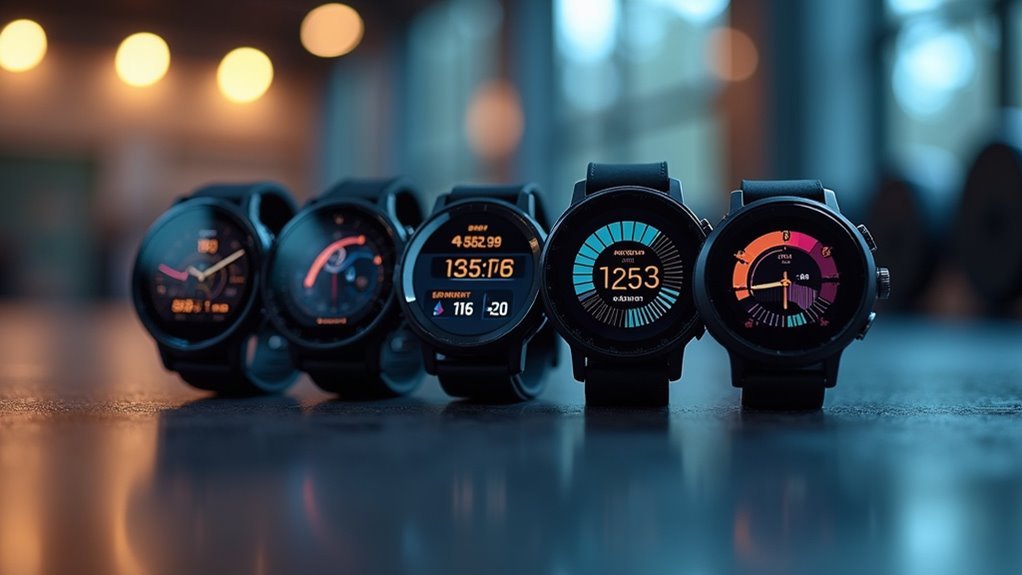
Performance optimization begins with understanding your sleep patterns, and the right tracking watch can provide the detailed insights you need to maximize recovery.
Track your sleep patterns with precision to unlock optimal recovery and peak athletic performance through data-driven insights.
When selecting sleep tracking watches, you’ll want thorough monitoring of sleep stages including REM, light, and deep sleep phases. Heart rate variability tracking is vital for evaluating your body’s stress levels and recovery readiness. Long battery life guarantees uninterrupted monitoring during intensive training periods.
Look for seamless integration with fitness apps to combine sleep quality data with your overall performance metrics. Essential features include recovery scores and sleep debt calculations that help you manage training load effectively.
These capabilities enable you to make informed decisions about when to push harder or prioritize rest for peak athletic performance.
Accuracy Standards for Athletic Performance Monitoring
While consumer sleep trackers offer convenient monitoring, athletes require devices that meet rigorous accuracy standards to make performance-critical decisions.
When evaluating wearable options, you’ll need to understand validated performance metrics rather than marketing claims.
Key accuracy benchmarks for athletic performance monitoring include:
- 90% sleep epoch detection sensitivity – Top devices like Polar, Oura Gen 2, and WHOOP 3.0 achieve this standard
- Validated sleep duration estimation – Essential for tracking recovery patterns
- Recognition of actigraphy limitations – Basic sleep/wake detection isn’t sufficient for thorough analysis
- Integration with subjective assessments – Combine sleep data with athlete sleep screening questionnaires
- Understanding device constraints – Wearables struggle detecting very still awake states compared to polysomnography
You shouldn’t rely solely on sleep tracking technology; effective sleep quality assessment requires combining objective data with subjective feedback.
Battery Life and Durability Requirements for Training Schedules
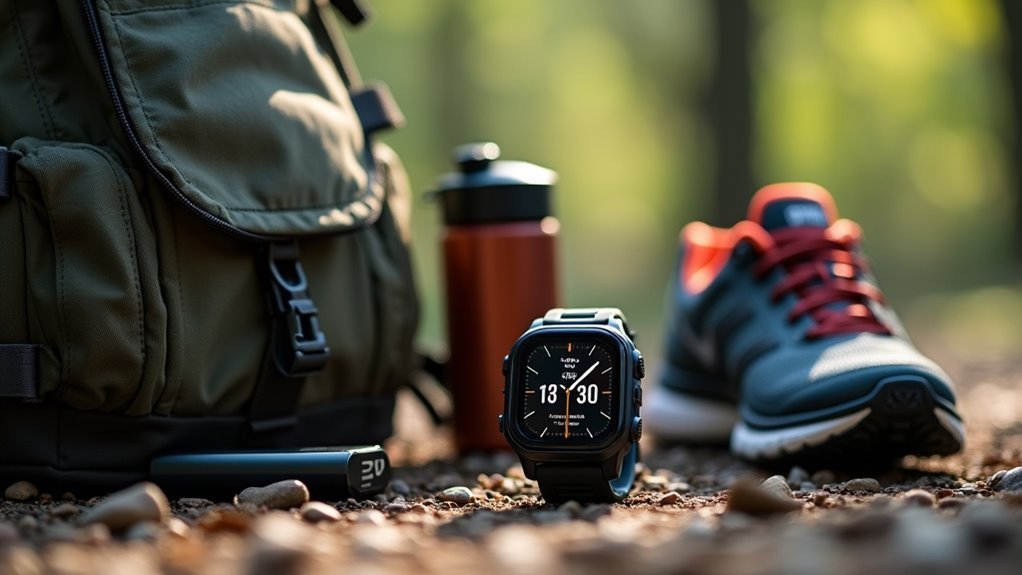
Your sleep tracker’s battery life becomes critical when you’re maintaining rigorous training schedules that can’t accommodate frequent charging breaks.
You’ll need a device that withstands the physical demands of athletic training, including exposure to sweat, water, and potential impacts during various activities.
Extended battery performance and robust durability standards aren’t just conveniences—they’re essential features that prevent monitoring gaps during your most important training phases.
Extended Battery Performance
Since athletes often train for hours daily and need continuous monitoring, battery life becomes a critical factor when choosing sleep tracking watches.
Extended battery life guarantees consistent sleep monitoring without recharging interruptions that disrupt training schedules.
Top devices offer impressive battery performance for athletes:
- Oura Ring Gen 4 – Seven days battery life with water-resistant durability up to 330 feet
- Whoop 5.0 – Four to five days continuous wear providing ongoing sleep insights
- Samsung Galaxy Ring – Up to seven days with efficient battery management
- Apple Watch Series 10 – 18 hours of reliable performance
- Continuous monitoring – Maintains performance consistency throughout rigorous training regimens
These extended battery capabilities allow you to focus on training without worrying about device downtime, guaranteeing uninterrupted sleep and recovery data collection.
Training Durability Standards
When your training schedule demands peak performance around the clock, you need sleep tracking watches that can withstand the physical punishment of intense athletic pursuits.
Your device must meet military-grade standards like MIL-STD-810 to survive high-intensity workouts and harsh environmental conditions. Water resistance of at least 50 meters protects against sweat, rain, and water-based training activities.
Rugged designs guarantee your watch won’t crack under pressure during athletic training sessions.
While durability matters, don’t sacrifice comfort for toughness—lightweight construction encourages consistent overnight wear for accurate sleep tracking data.
Fast-charging capabilities become vital when your watch takes a beating, allowing quick power-ups between sessions.
Extended battery life of 4-7 days means fewer charging interruptions during significant training periods when monitoring recovery metrics matters most.
Heart Rate Variability and Recovery Metrics Integration
The compass of athletic recovery points directly to heart rate variability, a sophisticated metric that reveals how well your body bounces back from training stress.
Wearable devices that integrate HRV with sleep tracking provide athletes with powerful insights into their autonomic nervous system function, enabling smarter training decisions.
When selecting recovery-focused sleep tracking devices, prioritize these essential features:
- Real-time HRV monitoring during sleep cycles for accurate recovery assessment
- Comprehensive recovery metrics that combine sleep quality with physiological data
- Training stress integration that correlates workout intensity with recovery needs
- Performance outcomes tracking to identify patterns between rest and athletic output
- Automated recommendations for optimizing sleep hygiene and training loads
This integrated monitoring approach helps you prevent overtraining while maximizing performance gains through data-driven recovery strategies.
Top Sleep Tracking Watch Brands for Athletic Performance
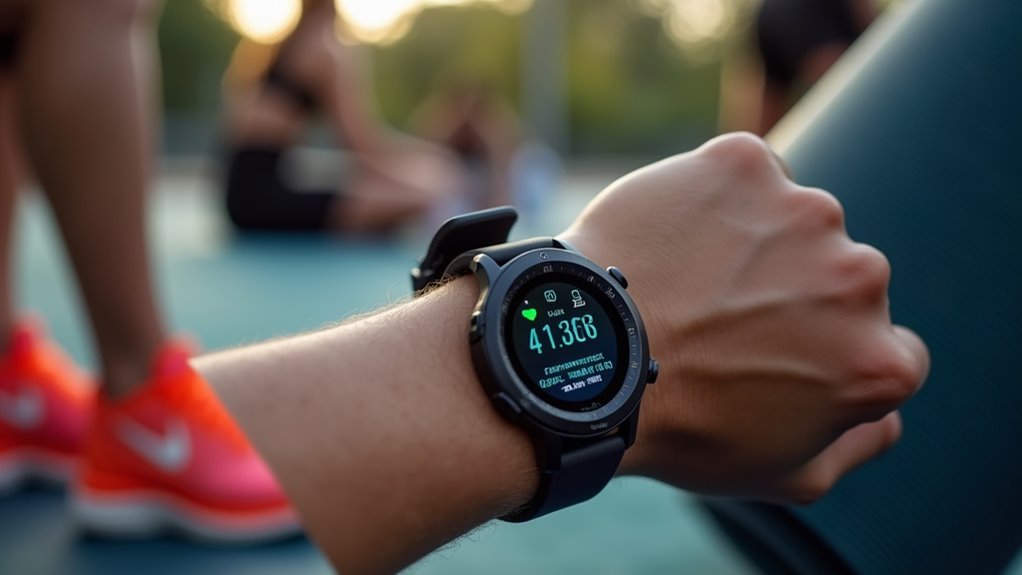
You’ll find several standout brands that consistently deliver the elite-level tracking features athletes demand for peak performance.
Each top-tier device offers unique strengths in monitoring recovery metrics, sleep stages, and physiological data that directly impact your training outcomes.
Let’s compare how these performance-focused options stack up against each other to help you identify the best fit for your athletic goals.
Elite Athlete Tracker Features
Since elite athletes demand precision in every aspect of their training regimen, their sleep tracking watches must deliver uncompromising accuracy and thorough data analysis.
You’ll need devices that go beyond basic sleep monitoring to provide actionable insights for peak performance optimization.
Essential features for elite athlete tracking include:
- Heart rate monitoring with 99.7% accuracy like Whoop 4.0 for precise recovery assessment
- Sleep stages analysis and recovery scores found in the Oura Ring Gen 4 with personalized health insights
- Sleep debt tracking capabilities that Whoop 5.0 excels at, providing detailed strain targets
- Fitness and health apps integration like the Samsung Galaxy Ring with Samsung Health connectivity
- Battery life optimization—Oura Ring Gen 4’s seven-day duration versus daily charging requirements
These advanced features guarantee you’re making data-driven decisions about training intensity and recovery protocols.
Performance-Focused Device Comparison
When comparing performance-focused sleep tracking devices, five standout options emerge as leaders for athletic applications, each offering distinct advantages depending on your specific training needs and preferences.
The Whoop 5.0 delivers exceptional sleep tracking for athletes with 99.7% heart rate accuracy and thorough recovery scores.
Oura Ring Gen 4 provides laboratory-quality sleep data with seamless health app integration for deeper performance insights.
Samsung Galaxy Ring offers subscription-free monitoring that’s perfect for Android users seeking budget-friendly excellence.
Apple Watch Series 10 captures detailed sleep cycles including REM and deep sleep phases while monitoring essential health metrics.
Garmin Forerunner 165 excels in dual sleep and fitness tracking, measuring heart rate variability alongside sleep patterns, though its bulk may affect comfort during rest periods.
Data Privacy and Athlete Monitoring Considerations
While sleep tracking watches offer valuable insights for athletic performance, implementing these devices raises significant privacy concerns that require careful consideration.
You’ll need to balance athlete monitoring benefits with data privacy protection to maintain trust and comfort.
When establishing monitoring protocols, focus on these key principles:
- Collect only essential metrics necessary for performance and recovery analysis
- Educate athletes on data security practices and usage policies to build transparency
- Create a supportive environment where sleep data enhances rather than punishes athletes
- Evaluate athlete comfort levels with monitoring practices regularly
- Collaborate with external sleep specialists for targeted interventions while maintaining privacy
You must guarantee that monitoring serves athletes’ best interests, emphasizing performance enhancement and recovery optimization rather than surveillance.
Sleep Stage Analysis and Performance Correlation Insights
Understanding your sleep architecture through detailed stage analysis reveals critical performance insights that can transform your athletic recovery and competitive edge. Monitoring sleep stages—light, deep, and REM—directly correlates with your recovery efficiency and performance outcomes.
Deep sleep facilitates physical restoration, while REM sleep enhances cognitive function and memory consolidation.
Deep sleep rebuilds your body while REM sleep sharpens your mind and locks in crucial memories.
Quality sleep trackers like the Oura Ring and Whoop Strap provide precise data on these sleep stages, enabling you to identify patterns affecting your athletic performance.
When your sleep quality deteriorates, you’ll notice decreased exercise performance and compromised physiological responses.
Choosing Between Subscription-Based and One-Time Purchase Options
How do you decide between paying recurring subscription fees or making a single upfront investment for your sleep tracking device? As an athlete, you’ll need to weigh your commitment level against long-term costs and desired features.
- Subscription-based models like Whoop 5.0 cost $200-$360 annually but provide extensive sleep insights, recovery metrics, and ongoing support with continuous updates.
- One-time purchase options such as the Oura Ring at $350 offer health metrics without recurring fees, appealing to those preferring straightforward payment models.
- Dedicated athletes who’ll actively use advanced features benefit more from subscription models offering tailored recommendations.
- Casual users may find one-time purchases sufficient for basic sleep insights.
- Feature updates come automatically with subscriptions, while one-time purchase devices may require new model purchases for upgrades.
Frequently Asked Questions
What Is the Best Sleep Tracker for Athletes?
You’ll find the Whoop 5.0 is the best sleep tracker for athletes. It delivers 99.7% heart rate accuracy during sleep, provides daily recovery scores, and offers personalized strain targets to optimize your athletic performance.
How Do Athletes Track Their Sleep?
You’ll track sleep using wearable devices like smartwatches, fitness trackers, and rings that monitor duration, stages, and heart rate variability. You can also use sleep diaries and questionnaires for thorough evaluation.
Is Fitbit or Garmin More Accurate for Sleep?
You’ll find Garmin generally more accurate than Fitbit for sleep tracking. Garmin provides thorough metrics like heart rate variability and respiration rates, while Fitbit often overestimates sleep duration and misses naps.
Is Fitbit or Oura Better for Sleep Tracking?
You’ll find Oura Ring better for detailed sleep tracking since it provides hospital-grade accuracy and personalized recovery insights, while Fitbit offers simpler metrics without subscription fees for basic sleep monitoring.


