
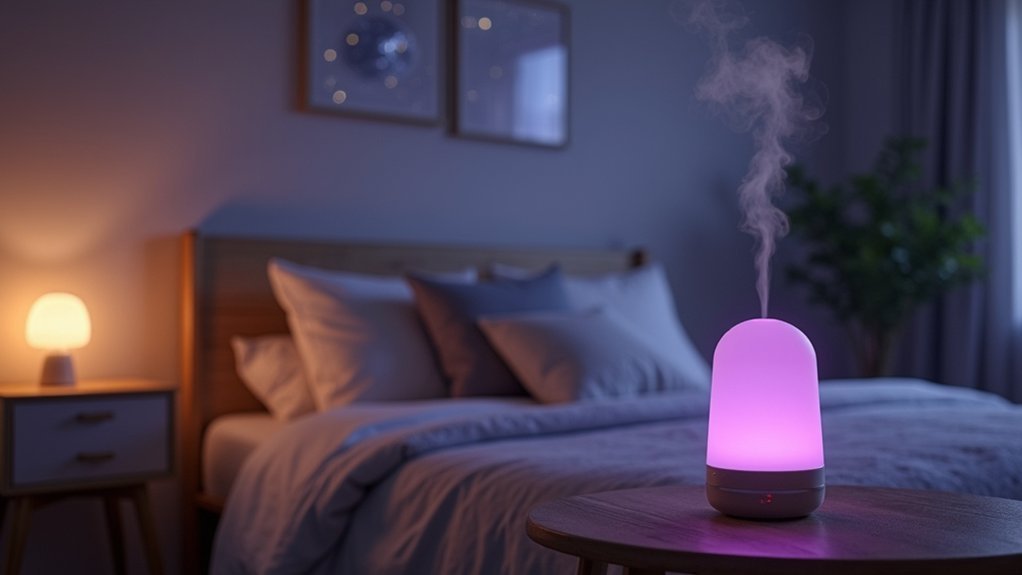
Young adults need 7-9 hours of sleep nightly for best cognitive function and mental health. First, create an ideal sleep environment by keeping your bedroom between 65-72 degrees, using blackout curtains, and charging devices outside your room. Second, establish a consistent bedtime and wake time to strengthen your circadian rhythm. Third, cut off screen time one hour before bed and engage in relaxing rituals like reading or stretching. These strategies will reveal deeper insights into maximizing your rest quality.
Understanding Your Sleep Needs as a Young Adult

While you might think you can get by on just a few hours of sleep, your body actually needs 7 to 9 hours each night to function at its best during your young adult years. Your sleep needs haven’t decreased from adolescence, despite what you might believe.
Your body requires 7 to 9 hours of sleep nightly during young adulthood, regardless of what you might think.
Young adults who don’t meet this requirement face serious consequences including poor academic performance and mental health issues.
Your circadian rhythm shifts naturally during this life stage, making consistent sleep schedules vital for peak sleep quality. Getting less than seven hours regularly constitutes insufficient sleep, which impairs your cognitive abilities.
Establishing good sleep hygiene practices and incorporating regular exercise into your routine can dramatically improve your rest. Understanding these biological requirements helps you prioritize sleep as essential for your overall well-being and success.
Creating the Perfect Sleep Environment for Quality Rest
Your sleep environment acts as the foundation for quality rest, directly impacting how quickly you fall asleep and how deeply you sleep throughout the night.
Creating a dark room with blackout curtains blocks disruptive light, while maintaining your bedroom temperature between 65-72 degrees promotes comfort.
Remove tech distractions by charging phones elsewhere, minimizing interruptions to your sleep quality.
Design a calming pre-sleep environment by dimming lights and using soothing aromas that signal your brain it’s time for winding down.
Invest in comfortable bedding, including a medium-firm mattress and pillows suited to your preferences.
These environmental changes work together to enhance your sleep environment, supporting the quality sleep essential for peak health and daily functioning.
Establishing Consistent Sleep Habits for Better Duration

Consistent sleep habits form the backbone of achieving ideal sleep duration, as your body thrives on predictable patterns that reinforce its natural circadian rhythm. You’ll improve your sleep by establishing a consistent sleep schedule—going to bed and waking up at the same time daily. This routine helps you achieve the essential 8 to 10 hours young adults need for peak health.
| Sleep Habit Component | Recommended Action | Expected Benefit |
|---|---|---|
| Bedtime consistency | Same time nightly | Stronger circadian rhythm |
| Wake time regularity | Same time daily | Enhanced daytime energy |
| Screen cutoff | 1 hour before bed | Better sleep onset |
| Relaxing pre-sleep rituals | Reading, stretching | Improved sleep quality |
| Bedtime routine structure | Consistent activities | Reduced trouble sleeping |
These strategies consistently deliver a good night’s sleep.
Frequently Asked Questions
What Is the 10 5 3 2 1 Rule for Sleep?
You should avoid caffeine 10 hours before bed, stop eating 3 hours prior, finish work 2 hours earlier, eliminate screens 1 hour beforehand, and don’t hit snooze when waking.
How Long Should an Adult Rest at Night?
You should aim for 7 to 9 hours of sleep each night as an adult. Your individual needs may vary based on lifestyle and health, but don’t consistently get less than 7 hours nightly.
What Is the Rest and Sleep Recommendation for Young Adults?
You should get 7 to 9 hours of sleep nightly for ideal health. Maintain consistent sleep schedules, avoid late-night screens, and limit daytime napping to improve your sleep quality and overall well-being.
What Are the Guidelines for Sleep for Young Adults?
You should aim for 7-9 hours of sleep nightly to maintain ideal health. Establish consistent bedtimes and wake times, even on weekends, to regulate your body’s internal clock and improve overall functioning.
In Summary
You’ve learned how to optimize your sleep as a young adult through understanding your unique rest requirements, crafting an ideal sleep environment, and building consistent bedtime routines. Don’t underestimate sleep’s impact on your physical health, mental clarity, and overall performance. Start implementing these strategies tonight—you’ll notice improvements in your energy levels, mood, and productivity within just a few days. Your future self will thank you for prioritizing quality rest now.


Leave a Reply