

You’ll sleep better tonight by eating tryptophan-rich foods that naturally boost melatonin production. Turkey provides 612mg per serving, while fatty fish like salmon offer 570mg plus sleep-enhancing omega-3s. Dairy products such as cottage cheese deliver 332mg, and plant-based options like tofu contain 592mg per cup. Consume these foods 2-3 hours before bedtime paired with carbohydrates for maximum absorption. Discover the complete timing strategies and foods to avoid that could sabotage your rest.
What Is Tryptophan and How Does It Affect Sleep
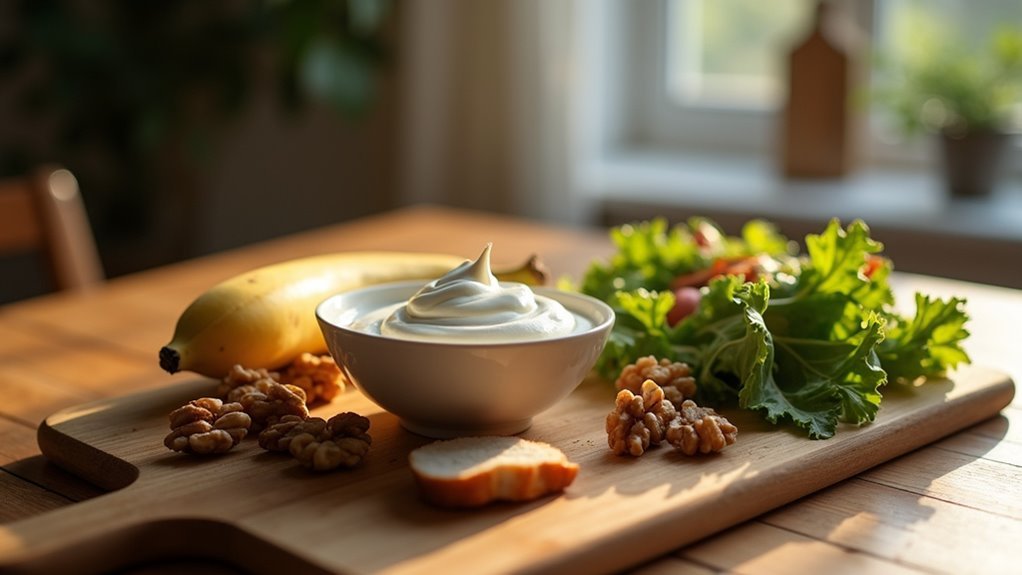
Sleep troubles often stem from a deficiency in one essential building block your body can’t make on its own. That building block is tryptophan, an amino acid you must obtain through foods in your diet. Your body transforms tryptophan into serotonin, a neurotransmitter that regulates mood and relaxation.
Sleep troubles often trace back to insufficient tryptophan, an essential amino acid your body cannot produce and must obtain from food.
The pineal gland then converts serotonin into melatonin, the hormone that controls your sleep-wake cycle.
When you don’t get enough tryptophan, your serotonin and melatonin production suffers, leading to sleep disturbances and insomnia. However, eating tryptophan-rich foods can restore this crucial pathway.
Your brain’s uptake of tryptophan increases when you pair these foods with carbohydrates, which reduces competition from other amino acids and enhances sleep quality.
Turkey and Poultry for Natural Sleep Enhancement
Turkey and chicken stand out as powerhouse sources of tryptophan, with ground turkey delivering an impressive 612 mg per 6-ounce serving.
You’ll find that incorporating these proteins into your evening meals can naturally boost your body’s production of sleep-promoting melatonin and serotonin.
The high tryptophan content in poultry makes it one of the most effective dietary tools for improving your sleep quality through natural means.
Turkey’s Tryptophan Content
When you’re seeking natural ways to improve your sleep quality, poultry stands out as one of the most reliable dietary sources of tryptophan. Turkey’s exceptionally high tryptophan content makes it a powerhouse for better sleep.
You’ll find roast turkey breast provides approximately 488 mg of tryptophan per 6-ounce serving, while ground turkey delivers an impressive 612 mg—that’s 219% of your daily recommended intake.
These levels directly support your body’s production of serotonin and melatonin, essential hormones for regulating sleep-wake cycles. When you consume moderate portions of turkey before bedtime, you’re facilitating the uptake of tryptophan needed for these vital sleep-promoting compounds.
This natural approach effectively enhances your rest quality.
Poultry Sleep Benefits
Beyond turkey’s impressive numbers, the entire poultry family offers remarkable sleep-enhancement benefits that you can tap into for more restful nights.
Chicken breast delivers an impressive 687 mg of tryptophan per 6-ounce serving, while ground turkey provides 612 mg. When you consume moderate amounts of poultry before bedtime, you’re giving your body the building blocks it needs to produce serotonin and melatonin naturally.
This tryptophan boost doesn’t just promote drowsiness—it actively improves your overall sleep quality. The protein content in poultry works alongside tryptophan to regulate your appetite, creating a beneficial cycle that supports healthy sleep patterns.
You’ll find that incorporating these lean proteins into your evening routine helps your body shift more smoothly into restorative sleep phases.
Dairy Products That Boost Melatonin Production

Although you might reach for supplements when struggling with sleep, dairy products offer a natural and delicious way to boost your body’s melatonin production. These foods are packed with tryptophan, an amino acid that helps your body produce serotonin, which then converts to melatonin for better sleep health.
| Dairy Product | Tryptophan Content |
|---|---|
| Cottage cheese (½ cup) | 332 mg |
| Cheddar cheese (1 oz) | 155 mg |
| Hard mozzarella (1 oz) | 155 mg |
| Warm milk (8 oz glass) | 106 mg |
When you consume these dairy products before bedtime, you’re naturally supporting your body’s sleep cycle. The tryptophan triggers relaxation while promoting melatonin synthesis, making it easier to fall asleep and stay asleep throughout the night.
Fatty Fish Rich in Sleep-Promoting Nutrients
Fatty fish like salmon, tuna, and mackerel pack an impressive nutritional punch that goes far beyond the tryptophan found in dairy products.
With around 570 mg of tryptophan per 6-ounce serving, these fatty fish deliver substantial amounts of this sleep-inducing amino acid. But that’s just the beginning—they’re also loaded with omega-3 fatty acids, which fight inflammation and support better sleep quality.
Salmon stands out with its vitamin D content, a nutrient that directly influences your sleep patterns.
Research consistently shows that people who regularly eat fatty fish experience fewer sleep disturbances and enjoy longer, more restorative rest.
You’ll not only boost your tryptophan intake but also support your overall health with these nutrient-dense options that make bedtime preparation both delicious and effective.
Plant-Based Proteins With High Tryptophan Content
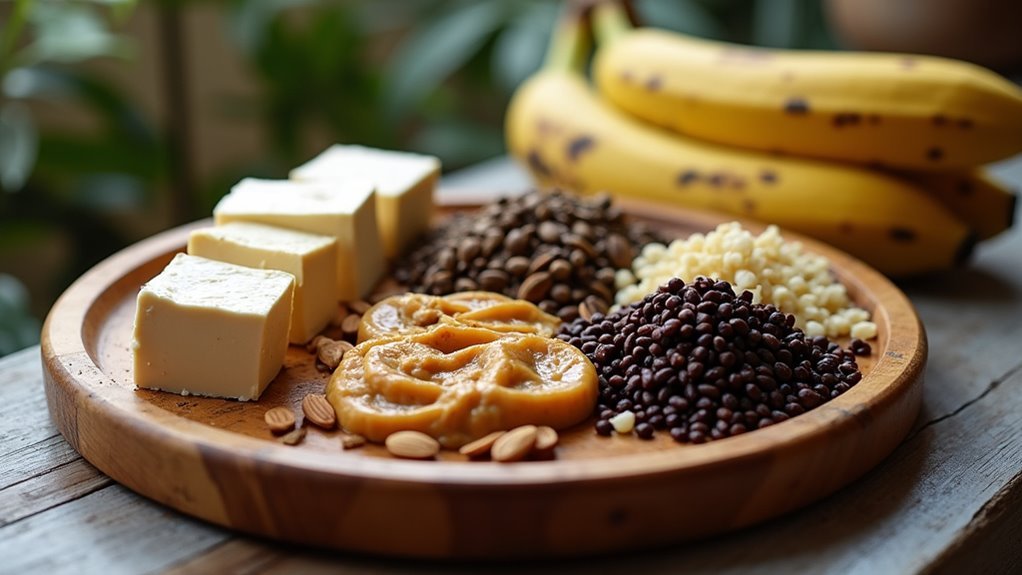
You don’t need animal products to boost your tryptophan intake for better sleep.
Quinoa and soy-based foods like firm tofu provide complete proteins while delivering substantial amounts of this sleep-promoting amino acid.
Seeds and nutrient-dense spirulina offer additional plant-based options that’ll help you meet your tryptophan goals naturally.
Quinoa and Soy Benefits
Plant-based eaters don’t need to compromise on tryptophan when they choose quinoa and soy products as their protein sources.
Quinoa stands out as a complete protein, delivering all nine essential amino acids including 0.2 grams of tryptophan per cooked cup. This ancient grain supports serotonin production, directly contributing to better sleep and improved mood.
Soy products like firm tofu pack an impressive 592 mg of tryptophan per cup, making them powerful allies for restful nights.
You’ll get muscle-supporting protein alongside sleep-promoting benefits when you incorporate these foods into your meals.
Both quinoa and soy offer additional nutrients including fiber, vitamins, and minerals that enhance your overall well-being while naturally supporting your body’s sleep mechanisms.
Seeds and Spirulina Sources
Small but mighty, seeds pack concentrated doses of tryptophan that’ll boost your sleep quality naturally. Pumpkin seeds lead the charge with 164 mg of tryptophan per ounce, making them an ideal bedtime snack.
You’ll also benefit from sesame seeds and chia seeds, which deliver both tryptophan and omega-3 fatty acids for enhanced brain function.
Spirulina stands out as an exceptional plant-based source, providing around 250 mg of tryptophan per 100 grams. This nutrient-dense blue-green algae supports your body’s serotonin and melatonin production, helping regulate your sleep cycle.
These sources offer more than just tryptophan—they’re packed with essential vitamins and minerals.
You can easily sprinkle seeds on salads, blend spirulina into smoothies, or enjoy them as standalone snacks for better rest.
Nuts and Seeds for Evening Relaxation
When evening approaches and you’re seeking natural ways to unwind, nuts and seeds offer a perfect combination of tryptophan and sleep-promoting compounds that can help prepare your body for rest.
These powerhouse foods contain multiple nutrients that support relaxation and enhance sleep quality. Here are the top options to include in your evening routine:
- Walnuts – Rich in omega-3 fatty acids and melatonin for ideal sleep regulation
- Almonds – Provide healthy fats, fiber, and natural melatonin production
- Pumpkin seeds – Deliver 164 mg of tryptophan per ounce plus magnesium for relaxation
- Chia seeds – Supply tryptophan and omega-3s in convenient, versatile form
You can easily incorporate these nuts and seeds into evening snacks, or try two tablespoons of peanut butter containing 74 mg of tryptophan to satisfy late-night cravings naturally.
Eggs as a Bedtime Protein Source
While nuts and seeds provide excellent plant-based tryptophan sources, eggs deliver one of nature’s most complete protein packages for evening nutrition. You’ll get approximately 77 mg of tryptophan from one large egg, which your body converts into serotonin and melatonin to regulate sleep patterns.
When you scramble a full cup of whole eggs, you’re consuming about 306 mg of this sleep-promoting amino acid.
Eggs offer more than just tryptophan—they’re packed with high-quality protein that supports overall health and enhances sleep quality. Including eggs in your evening meals helps you feel fuller and more satisfied, potentially improving your rest outcomes.
Beyond tryptophan, eggs deliver complete protein that keeps you satisfied through the night, naturally supporting deeper, more restful sleep.
Their versatility makes them incredibly easy to incorporate into any balanced diet focused on better sleep tonight.
Whole Grains That Support Better Sleep
You’ll find that whole grains offer a powerful combination of sleep-promoting nutrients that work synergistically with tryptophan. Oats naturally contain melatonin while providing the carbohydrates needed to help tryptophan cross the blood-brain barrier more effectively.
Brown rice and quinoa each bring unique benefits—brown rice’s high glycemic index boosts serotonin production, while quinoa delivers a complete protein profile alongside its sleep-supporting carbohydrates.
Oats: Natural Melatonin Source
Although many people overlook oats as a sleep aid, this humble whole grain packs an impressive 94 mg of tryptophan per cup, making it one of nature’s most accessible sources of this sleep-promoting amino acid.
When you consume oats, the tryptophan converts to serotonin and then melatonin, naturally regulating your sleep cycles. The complex carbohydrates in oats enhance tryptophan absorption by reducing competing amino acids in your brain.
Here’s how oats improve your sleep:
- High fiber content promotes fullness, preventing disruptive late-night snacking
- Easy incorporation into evening meals or bedtime snacks
- Natural melatonin production through tryptophan conversion
- Sleep cycle regulation for consistent, quality rest
You’ll find oatmeal particularly effective when consumed 2-3 hours before bedtime.
Brown Rice Sleep Benefits
When you’re searching for another powerful whole grain to enhance your sleep quality, brown rice delivers an impressive 88 mg of tryptophan per cooked cup alongside sleep-supporting nutrients that work synergistically with this essential amino acid.
Brown rice’s complex carbohydrates enhance tryptophan availability in your brain by reducing competing amino acids. This improved uptake supports increased serotonin and melatonin production, both vital for regulating your sleep-wake cycle.
You’ll also benefit from brown rice’s magnesium content, which promotes muscle relaxation and calms your nervous system.
Unlike white rice, brown rice has a lower glycemic index that maintains stable blood sugar levels throughout the night, preventing disruptive spikes that can wake you.
Including brown rice in your evening meals creates an ideal foundation for deeper, more restorative sleep.
Quinoa’s Complete Protein Profile
Unlike most grains that lack one or more essential amino acids, quinoa stands out as a complete protein powerhouse that delivers all nine amino acids your body can’t produce on its own, including the sleep-promoting tryptophan.
With 8 grams of protein and 0.1 grams of tryptophan per cooked cup, quinoa supports your body’s natural production of serotonin and melatonin.
Quinoa enhances sleep quality through multiple mechanisms:
- Complete protein supports steady overnight muscle repair
- Tryptophan content promotes natural melatonin production
- High fiber prevents blood sugar spikes that disrupt sleep
- Rich magnesium reduces insomnia symptoms and improves rest
You’ll maximize these benefits by incorporating quinoa into evening meals, creating a nutritionally complete foundation that naturally prepares your body for restorative sleep.
Timing Your Tryptophan Intake for Maximum Benefits
While eating tryptophan-rich foods can improve your sleep, the timing of when you consume them makes all the difference in their effectiveness. You’ll want to consume tryptophan intake 2-3 hours before bed to allow sufficient time for serotonin production and conversion to melatonin.
| Timing Strategy | Benefits |
|---|---|
| 2-3 hours before bed | Ideal serotonin conversion |
| Evening high-carbohydrate meals | Reduces competing amino acids |
| Consistent meal schedule | Improves nutrient absorption |
| Balanced diet throughout day | Maintains steady tryptophan levels |
Pairing protein with carbohydrates maximizes uptake—try yogurt with fruit or turkey with whole grains. Aim for 250-425mg daily tryptophan while maintaining regular meal times. This consistent approach enhances your body’s natural sleep-wake cycle.
Foods to Avoid That Block Tryptophan Absorption
Just as certain foods enhance tryptophan’s sleep-promoting effects, others can sabotage your efforts by blocking absorption or disrupting the delicate biochemical processes that convert this amino acid into restful sleep.
Foods high in sugar trigger insulin spikes that interfere with tryptophan absorption and disrupt amino acid balance in your brain. Caffeine blocks tryptophan’s calming effects and keeps you wired when you should be winding down. High-fat and processed foods create digestive discomfort that prevents ideal nutrient absorption.
Here are the main culprits to avoid before bedtime:
- Sugary desserts and sodas – cause insulin interference
- Caffeinated beverages – block relaxation pathways
- Spicy dishes – increase body temperature and discomfort
- Alcohol consumption – disrupts sleep architecture despite initial drowsiness
Smart timing means avoiding these tryptophan blockers several hours before sleep.
Frequently Asked Questions
What Foods Are High in Tryptophan for Sleep?
You’ll find high tryptophan in turkey, fatty fish like salmon, dairy products including warm milk, firm tofu, and nuts like pumpkin seeds. These foods boost serotonin and melatonin production, helping you sleep better naturally.
What Is the Best Food to Eat at Night?
You’ll sleep better if you eat a small snack combining tryptophan and carbs. Try toast with peanut butter, yogurt with banana, or warm milk. These foods help your body produce sleep-promoting chemicals naturally.
How Soon Before Bed Should You Take Tryptophan?
You should take tryptophan 2-3 hours before bedtime for ideal absorption. This timing allows your body to metabolize it into serotonin and melatonin, helping you feel drowsy when you’re ready to sleep.
Which Foods Rich in Tryptophan Like Turkey Can Help Promote Better Sleep?
You’ll find excellent tryptophan sources in turkey, chicken breast, fatty fish like salmon, dairy products such as warm milk, and plant-based options like firm tofu that naturally promote relaxation and better sleep quality.


Leave a Reply