

You’ll maximize your athletic recovery by consuming caffeine within 30 minutes post-workout at 3-5 mg/kg body weight to enhance glycogen replenishment by 66%. Cut off all caffeine consumption at least 8.8 hours before bedtime to protect your sleep quality, which is essential for recovery. Finally, align your caffeine timing with your personal fatigue patterns—consume it pre-workout if you experience early fatigue, or during activity for mid-session dips. Master these strategies to release your body’s full recovery potential.
Time Your Post-Workout Caffeine to Enhance Glycogen Replenishment

When you finish an intense workout, your muscles are fundamentally running on empty, desperately needing to refuel their glycogen stores for optimal recovery.
Strategic caffeine timing can dramatically accelerate this process. Consuming caffeine within 30 minutes post-workout triggers insulin secretion, which enhances glucose uptake into your muscle cells.
The best timing involves taking 3-5 mg/kg of your body weight in caffeine alongside carbohydrates immediately after exercise. This combination can boost glycogen replenishment by approximately 66% compared to carbohydrates alone.
You’ll not only recover faster but also improve your subsequent athletic performance. The key is acting quickly—that 30-minute window maximizes caffeine’s glycogen-enhancing effects, setting you up for superior recovery and enhanced endurance capabilities.
Avoid Late-Day Caffeine to Protect Sleep Quality and Recovery
Although caffeine can supercharge your post-workout recovery, consuming it too late in the day will sabotage the very sleep your body needs to rebuild and repair.
Late-day caffeine consumption disrupts your circadian rhythm, making it harder to fall asleep and reducing sleep duration. This poor sleep quality directly undermines recovery and next-day performance.
Strategic timing prevents these issues. You should consume caffeine at least 8.8 hours before bedtime, while pre-workout supplements require 13.2 hours of separation from sleep.
Individual variability in caffeine metabolism means some athletes need even longer windows between consumption and rest.
Your body’s recovery depends on quality sleep, so protecting it from caffeine’s stimulating effects guarantees peak adaptation to training and consistent performance gains.
Match Caffeine Timing With Your Individual Fatigue Patterns
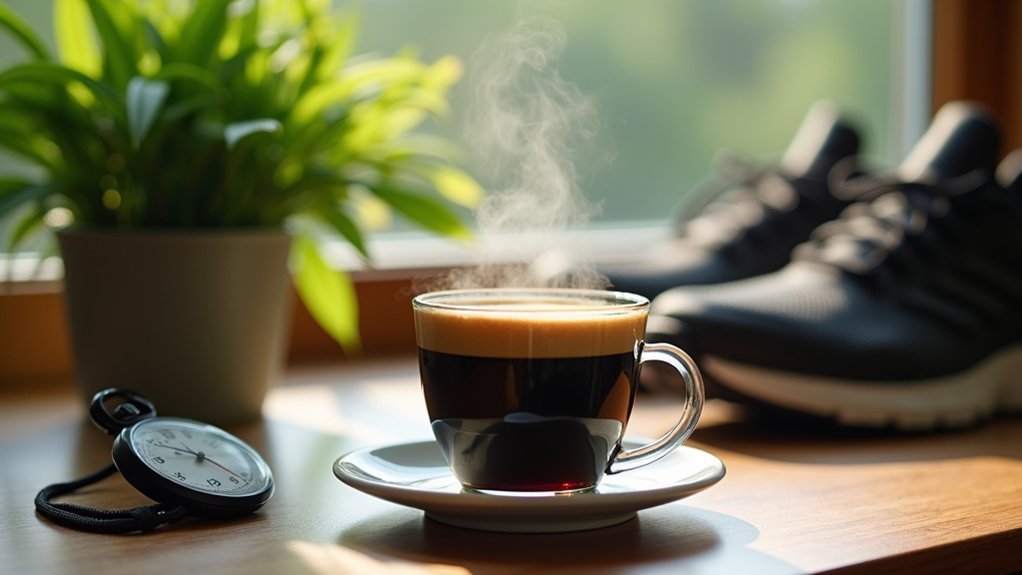
Beyond protecting your sleep window, you need to align caffeine consumption with your personal fatigue patterns to maximize its recovery benefits. Your ideal timing depends on when fatigue typically hits during training or competition. Some endurance athletes experience energy dips mid-session, while others need performance enhancing support at the start.
| Fatigue Pattern | Ideal Timing | Dose Strategy |
|---|---|---|
| Early fatigue | Pre-workout | 3 mg/kg 30-45 min before |
| Mid-session dip | During activity | Small doses as needed |
| Late-day events | Event-specific | Adjust for sleep window |
Monitor how you metabolize caffeine and adjust accordingly. Slower metabolizers should use lower doses and avoid late consumption to prevent sleep disturbances. Track your caffeine habits and fatigue cycles to develop personalized caffeine timing strategies that support athletic recovery.
Frequently Asked Questions
What Is the Recommended Amount and Timing of Caffeine Use for Athletic Performance?
You should consume 3-6 mg caffeine per kilogram of body weight, roughly 200mg for a 150-pound athlete, taken 30-60 minutes before exercise. Avoid caffeine within 6-8 hours of sleep.
Does Caffeine Help With Exercise Recovery?
Yes, caffeine helps your exercise recovery by reducing muscle pain and perceived exertion. You’ll experience faster recovery when you consume it 30-60 minutes post-exercise, as it enhances glycogen resynthesis and improves subsequent performance.
Does Caffeine Actually Improve Athletic Performance?
Yes, you’ll see real performance improvements with caffeine. It blocks fatigue signals, boosting your endurance by 2-4%, enhancing strength, and improving sprint performance when you take 3-6 mg per kilogram bodyweight.
How Long Before Sports Should I Take Caffeine?
You should take caffeine 30-60 minutes before your workout for peak performance. For strength training, aim for 30-45 minutes prior, while endurance activities work best with 45-60 minutes beforehand.




Leave a Reply