

Binge drinking destroys your sleep by disrupting your body’s natural rest architecture and altering sleep-regulating genes after just one episode. You’ll experience suppressed REM sleep, increased fragmentation, and frequent awakenings as alcohol metabolizes throughout the night. This creates a vicious cycle where sleep deprivation leads to increased drinking, affecting 75% of people who develop alcohol dependence. Your breathing patterns also suffer, with a 25% higher risk of sleep apnea complications and ongoing recovery challenges ahead.
What Defines Binge Drinking and Its Prevalence
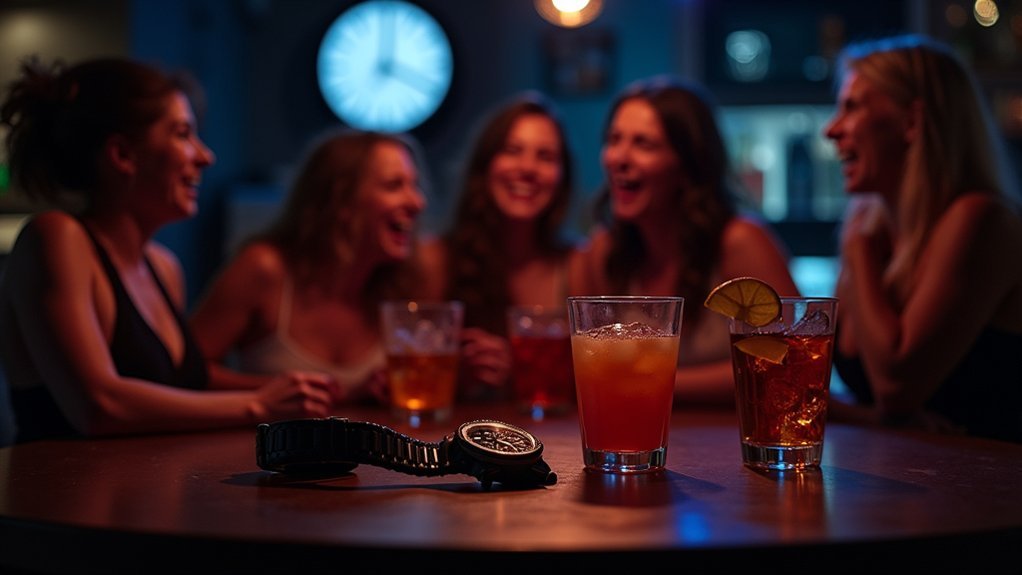
One in six U.S. adults engages in binge drinking at least four times monthly, making this pattern of alcohol consumption far more common than many realize.
The Centers for Disease Control and Prevention defines binge drinking as consuming five or more drinks within a single occasion for men, and four or more for women. This prevalence creates widespread health risks that extend beyond immediate intoxication effects.
You’re likely unaware that even one binge drinking episode can greatly alter your sleep-regulating genes, according to University of Missouri research.
This sleep disruption creates a dangerous cycle where alcohol consumption leads to sleep deprivation, which then increases your likelihood of drinking again.
Understanding these patterns becomes essential for developing effective strategies to mitigate binge drinking’s destructive impact on your nightly rest.
How Alcohol Alters Your Sleep Cycle Architecture
When you drink alcohol, it acts like a disruptive conductor orchestrating your sleep cycle in all the wrong ways.
You’ll initially experience an increase in deep sleep during the first half of the night, but this comes at a steep cost—your brain’s ability to enter restorative REM sleep becomes markedly compromised.
As the alcohol metabolizes throughout the night, your sleep architecture shifts toward lighter, more fragmented stages that leave you feeling unrefreshed despite spending hours in bed.
REM Sleep Disruption
Although sleep might seem like a simple on-off switch, your brain actually cycles through distinct stages throughout the night—and binge drinking throws this delicate process into chaos.
Alcohol specifically targets REM sleep, the stage essential for memory consolidation and emotional processing. When you drink heavily, you’ll experience delayed or completely suppressed REM cycles, dramatically reducing your sleep quality.
This REM sleep disruption creates a domino effect throughout your sleep architecture. While alcohol initially increases NREM sleep stages, particularly deep sleep, it leads to fragmented sleep patterns as the night progresses.
You’ll wake up more frequently and experience mainly light sleep phases.
The result? Chronic sleep problems and severe daytime sleepiness that affects your cognitive performance and emotional regulation—creating disrupted sleep cycles that persist long after your last drink.
Deep Sleep Imbalance
Binge drinking creates a deceptive sleep paradox that initially floods your system with deep sleep before completely destabilizing your entire sleep cycle.
When you consume alcohol, your body experiences an immediate surge in non-rapid eye movement sleep, particularly the deepest N3 stage. However, this apparent benefit quickly becomes your worst enemy.
As alcohol metabolizes throughout the night, it systematically destroys your sleep architecture, transforming restorative deep sleep into fragmented sleep filled with frequent awakenings.
Your sleep quality deteriorates dramatically as you’re trapped in lighter sleep stages instead of cycling through proper REM sleep periods.
This disruption creates lasting sleep-related problems that extend far beyond a single night of alcohol consumption, fundamentally altering how your brain processes rest and recovery.
The Science Behind Alcohol’s Impact on Sleep-Regulating Genes
While scientists previously believed multiple drinking episodes were necessary to alter genetic function, groundbreaking research from the University of Missouri School of Medicine reveals that just one binge drinking session can greatly disrupt your sleep-regulating genes.
This study demonstrates how binge drinking affects vital genes responsible for sleep homeostasis, causing decreased adenosine levels—your body’s natural sleep-promoting chemical.
Here’s what happens to your sleep patterns:
- You’ll experience increased non-rapid eye movement sleep initially, four hours after consumption
- Enhanced wakefulness follows during subsequent periods
- Your natural sleep pressure becomes disrupted
- Sleep drive doesn’t increase normally during sleep deprivation
- The cycle perpetuates more alcohol consumption and sleep disruption
Understanding these genetic changes explains why alcoholics often struggle with persistent sleep problems, creating a destructive pattern.
REM Sleep Suppression and Its Consequences
When you binge drink, you’re severely disrupting your REM sleep cycle, which your brain desperately needs for proper cognitive function and emotional balance.
This suppression doesn’t just reduce the quantity of REM sleep—it fundamentally alters the quality, leading to fragmented rest that prevents your body from completing essential restorative processes.
You’ll likely experience a rebound effect once alcohol leaves your system, resulting in unusually vivid and often disturbing dreams that can further compromise your sleep quality.
REM Sleep Disruption
As alcohol floods your system during a binge drinking episode, it greatly suppresses rapid eye movement (REM) sleep—the critical sleep stage responsible for cognitive functions and emotional regulation.
This disruption creates cascading effects throughout your nightly rest patterns.
When alcohol levels drop, you’ll experience REM rebound, leading to:
- More vivid and stressful dreams that jolt you awake
- Increased sleep fragmentation with frequent nighttime awakenings
- Impaired memory consolidation affecting next-day focus
- Deteriorated mood and cognitive performance
- Higher risk of developing chronic insomnia
This cycle becomes particularly dangerous when you start relying on alcohol as a sleep aid.
Each binge drinking episode further damages your sleep quality, creating a destructive pattern where poor rest drives continued alcohol use, perpetuating the disruption.
Dream Quality Impact
Beyond the immediate disruption to your sleep cycles, binge drinking fundamentally alters the quality and nature of your dreams themselves. When alcohol consumption suppresses REM sleep, you’ll experience fewer dreams initially, reducing your brain’s ability to process emotions and consolidate memories effectively.
This interference with emotional regulation leaves you less equipped to handle stress and anxiety.
As alcohol metabolizes, the REM rebound effect triggers intensely vivid, often disturbing dreams that can jolt you awake repeatedly. These fragmented sleep patterns destroy dream quality impact considerably, creating a cycle where poor sleep quality diminishes your mental restoration.
The resulting sleep disruptions don’t just affect one night—they establish patterns where binge drinking becomes your misguided solution for sleep troubles, perpetuating ongoing memory consolidation problems.
Increased Fragmentation and Frequent Nighttime Awakenings
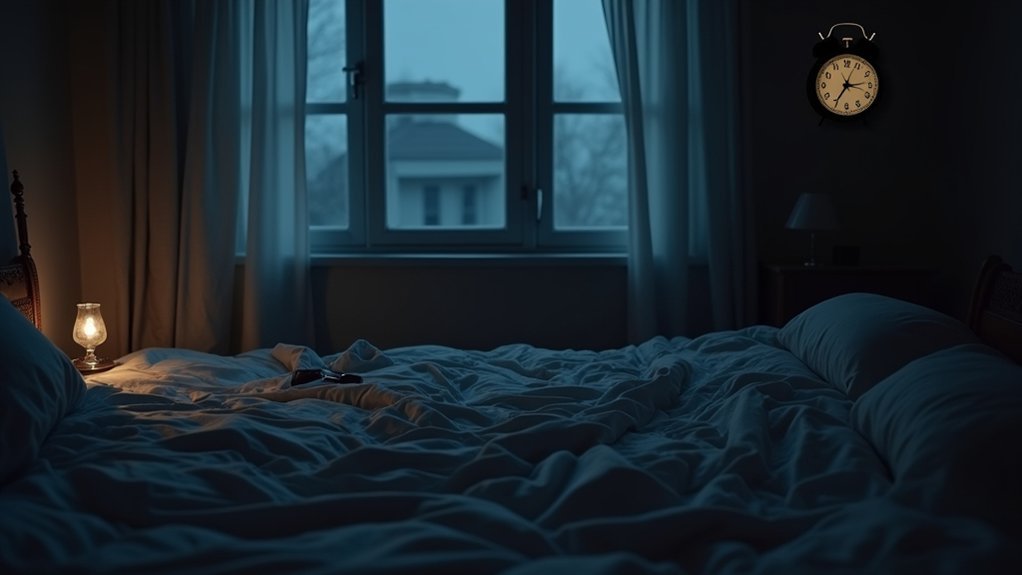
Although you might fall asleep quickly after binge drinking, you’ll likely experience considerable sleep fragmentation throughout the night, waking up multiple times and struggling to maintain deep, restorative sleep.
Binge drinking severely disrupts your sleep architecture, creating a cascade of nightly awakenings that leave you feeling exhausted. Your alcohol consumption interferes with normal sleep patterns in several ways:
- REM sleep reduction – Your restorative REM sleep decreases considerably, preventing proper mental recovery.
- Metabolic disruption – As alcohol processes, you’ll shift into lighter sleep stages during the night’s second half.
- Frequent bathroom trips – Diuretic effects force multiple interruptions for restroom visits.
- Multiple awakenings – Sleep fragmentation causes you to wake repeatedly throughout the night.
- Poor sleep quality – Nearly 90% of regular drinkers report sleep-related problems.
The Vicious Cycle of Sleep Deprivation and Alcohol Dependence
When sleep deprivation from binge drinking becomes chronic, you’ll find yourself trapped in a destructive cycle where poor sleep drives increased alcohol consumption. This vicious cycle affects 75% of individuals who develop alcohol dependence, as insomnia symptoms worsen over time.
You’ll discover that sleep disruption from binge drinking fundamentally alters your sleep-regulating genes after just one episode. As sleep quality deteriorates, you’re likely to use alcohol as a coping mechanism, which only amplifies health risks.
| Sleep Deprivation Effects | Alcohol Dependence Consequences |
|---|---|
| Disrupted sleep-regulating genes | Increased tolerance requirements |
| Fragmented sleep patterns | Daily consumption escalation |
| Chronic insomnia symptoms | Physical withdrawal symptoms |
| Reduced sleep pressure | Psychological dependency development |
| Impaired recovery cycles | Long-term health complications |
Breathing Problems and Sleep Apnea Complications
As alcohol circulates through your system, it directly targets the muscles controlling your upper airway, creating a perfect storm for breathing problems during sleep.
Your alcohol use greatly increases obstructive sleep apnea risks by relaxing throat tissues that normally keep airways open. This dangerous combination leads to:
- 25% higher sleep apnea risk when drinking before bed
- Increased snoring that disrupts both you and your partner’s rest
- Airway obstruction from weakened upper airway muscles
- Compromised brain activity affecting natural respiratory signals
- Severe daytime sleepiness from fragmented overnight rest
Heavy drinkers face the worst complications, experiencing poor sleep quality that compounds existing breathing disorders.
Central sleep apnea also worsens as alcohol interferes with your brain’s ability to regulate breathing patterns during rest.
Recovery Strategies for Restoring Healthy Sleep Patterns
Breaking free from alcohol’s grip on your sleep requires targeted strategies that address both immediate symptoms and long-term patterns. Start by avoiding alcohol three hours before bedtime to improve sleep quality and reduce nighttime awakenings.
Reclaim restorative sleep by avoiding alcohol three hours before bedtime and implementing targeted recovery strategies that break destructive patterns.
Establish a consistent sleep schedule and create a calming nighttime routine to restore disrupted circadian rhythms caused by binge drinking. Incorporate regular physical activity into your routine, as it enhances mood and promotes better sleep patterns.
Instead of using alcohol as a sleep aid, seek professional help for persistent sleep issues. Replace alcoholic beverages with non-alcoholic options that naturally promote relaxation.
These recovery strategies work together to break the destructive cycle between poor sleep and binge drinking, helping you reclaim restorative rest.
Frequently Asked Questions
Why Does Alcohol Disrupt Sleep Patterns?
Alcohol disrupts your sleep because it alters your brain’s natural sleep stages, reducing essential REM sleep while increasing light sleep and frequent awakenings throughout the night.
What Is the 1/2/3 Rule for Alcohol?
The 1/2/3 rule recommends you limit alcohol to one drink per occasion if you’re a woman and two drinks if you’re a man to minimize sleep disruption.
Does Binge Drinking Disrupt Sleep Homeostasis?
Yes, binge drinking severely disrupts your sleep homeostasis by altering essential sleep-regulating genes after just one session. You’ll experience fragmented sleep patterns and reduced sleep pressure, creating a harmful cycle.
Does Binge Drinking Affect Your Sleep?
Yes, binge drinking severely affects your sleep by suppressing REM sleep, causing frequent awakenings, and disrupting your body’s natural sleep patterns. You’ll experience fragmented, poor-quality rest that leaves you tired.
In Summary
You’re sabotaging your sleep every time you binge drink, creating a destructive cycle that’s harder to break with each episode. Your body can’t repair itself properly when alcohol disrupts your natural sleep architecture, leaving you exhausted and craving more alcohol to cope. You’ll notice immediate improvements in sleep quality within days of cutting back. Don’t let binge drinking steal another night’s rest—your body and mind deserve better recovery.



Leave a Reply