
You can calm nighttime anxiety by creating a consistent bedtime routine with soft lighting and keeping your bedroom cool and quiet. Practice the 4-7-8 breathing technique or progressive muscle relaxation to release physical tension. Add familiar comfort objects like family photos and consider calming scents such as lavender. Limit caffeine intake and finish large meals three hours before bed. Stay connected with loved ones during evening hours to reduce isolation, and explore the extensive strategies below for lasting relief.
Understanding Why Nighttime Anxiety Affects Seniors

When the sun sets and daily routines wind down, many seniors find themselves confronting heightened feelings of worry and fear that seem to emerge from nowhere. This nighttime anxiety affects up to 20% of older adults, yet it’s often overlooked due to mental health stigma.
Several factors contribute to anxiety in older adults during evening hours. Chronic health conditions create ongoing concerns about pain, medication, and declining physical abilities. Cognitive changes can heighten confusion and worry when you’re alone with your thoughts. The absence of daytime distractions allows anxious thoughts to intensify.
Social isolation compounds these challenges by weakening support systems you’d normally rely on for comfort. Without strong connections to family or friends, nighttime becomes particularly difficult as loneliness amplifies existing fears and worries.
Physical and Environmental Factors That Trigger Evening Restlessness
As evening approaches, your physical environment and bodily changes can trigger a cascade of restless feelings that make relaxation nearly impossible. Chronic health conditions like arthritis or diabetes often intensify at night, creating physical symptoms of anxiety that compound your discomfort. Environmental factors play an equally significant role in disrupting your peace of mind.
| Trigger Category | Specific Factors |
|---|---|
| Physical Discomfort | Arthritis pain, diabetes symptoms |
| Lighting Changes | Reduced natural light exposure |
| Medications | Sleep-disrupting side effects |
| Stimulants | Late caffeine or nicotine consumption |
| Social Isolation | Nighttime loneliness, disconnection |
These interconnected factors create a perfect storm affecting sleep and anxiety patterns. Social isolation during evening hours amplifies restlessness, while medication side effects can worsen your symptoms, making bedtime preparation increasingly challenging.
Creating a Calming Sleep Environment for Older Adults

Your bedroom should become a sanctuary that actively counters the physical and environmental triggers discussed earlier.
Creating a calming sleep environment starts with soft lighting during evening hours to promote relaxation and reduce rising anxiety levels. Keep your room cool, quiet, and distraction-free to enhance sleep quality and security.
Soft evening lighting and a cool, quiet, distraction-free bedroom create the foundation for anxiety-reducing, restorative sleep.
Place familiar objects like family photos nearby to alleviate anxiety and loneliness through comfort and familiarity.
Incorporate calming scents such as lavender or chamomile using essential oils or candles to establish a soothing atmosphere.
Most importantly, develop a consistent bedtime routine featuring calming activities like reading or listening to peaceful music. This routine signals your body it’s time to unwind, effectively easing nighttime anxiety and preparing you for restorative sleep.
Establishing Consistent Evening Routines and Sleep Schedules
Because your internal body clock thrives on predictability, establishing consistent evening routines becomes one of your most powerful tools for reducing nighttime anxiety.
When you go to bed and wake up at the same time daily, you’re training your brain to anticipate sleep, naturally calming your nervous system.
Your evening routine should include calming activities that signal wind-down time.
Try reading, gentle stretching, or listening to soothing music about an hour before bed. These activities help shift your mind from day stress to nighttime peace.
Remember to limit screen time and bright lights during this period.
Sleep schedules work best when combined with consistent pre-sleep rituals that reduce anxiety and improve sleep quality through familiar, comforting patterns.
Relaxation Techniques and Breathing Exercises for Bedtime
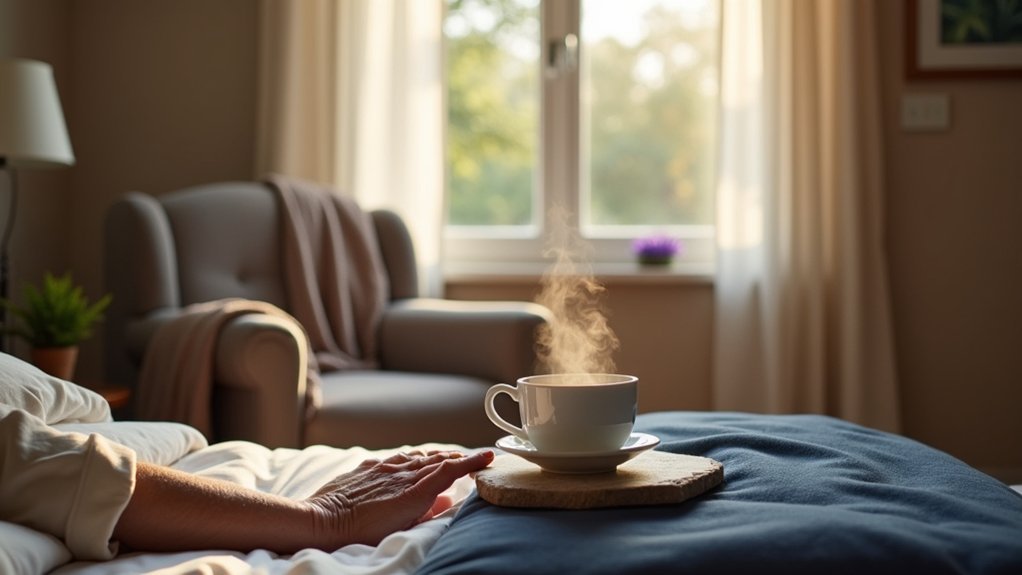
Simple breathing exercises can transform your anxious mind into a calm, sleep-ready state within minutes. The 4-7-8 technique works particularly well—inhale for four counts, hold for seven, then exhale for eight. This pattern slows your heart rate and signals your body it’s time to rest.
Master the 4-7-8 breathing technique to quickly shift from anxiety to restful sleep within minutes.
Progressive muscle relaxation offers another powerful approach. Tense each muscle group for five seconds, then release completely. Start with your toes and work upward, allowing physical tension to melt away.
Mindfulness meditation requires just 10-15 minutes of focused breathing before bed. This practice quiets racing thoughts that fuel nighttime anxiety.
Gentle yoga stretches emphasizing breath control enhance these relaxation techniques.
When you consistently use these breathing exercises, you’ll sleep better and experience remarkably reduced anxiety symptoms throughout the night.
The Role of Physical Activity in Reducing Nighttime Worry
While breathing exercises calm your mind directly, physical activity works from the opposite direction—it releases your body’s tension first, then quiets anxious thoughts naturally.
When you engage in regular exercise, your body releases endorphins that enhance mood and reduce anxiety feelings. Gentle activities like walking or tai chi can greatly improve sleep quality while reducing nighttime anxiety symptoms.
Physical activity helps seniors manage stress by lowering cortisol levels, the hormone responsible for worry and restlessness at night.
You’ll find that incorporating exercise into your daily routine enhances overall mental health, making you more resilient to anxiety-provoking situations during nighttime hours.
These gentle activities also create a relaxing routine that signals your body it’s time to wind down.
Mindfulness and Meditation Practices for Evening Calm
As evening approaches and anxious thoughts begin to surface, mindfulness and meditation offer powerful tools to anchor your mind in the present moment.
Just 10-20 minutes of meditation each evening can markedly lower your anxiety levels and enhance emotional well-being.
Start with simple breathing exercises, focusing on each inhale and exhale to quiet racing thoughts.
Progressive muscle relaxation helps release physical tension that often accompanies nighttime worry.
These mindfulness techniques don’t just calm your mind—they actively improve sleep quality by increasing time spent in vital deep sleep and REM stages.
When you incorporate these relaxation practices into your nightly routine, you’re creating a peaceful sleep environment that reduces both isolation and anxiety, fostering lasting emotional balance.
Dietary Adjustments to Support Better Sleep and Less Anxiety
What you eat and when you eat it can notably impact your nighttime anxiety and sleep quality.
You’ll want to focus on anxiety-reducing foods while timing your meals strategically to promote better rest.
It’s equally important that you identify and avoid substances that can disrupt your sleep cycle and heighten evening anxiety.
Foods That Reduce Anxiety
Although many seniors focus primarily on medications or therapy for anxiety relief, the foods you eat can considerably impact your nighttime anxiety levels and sleep quality.
Incorporating foods that reduce anxiety into your daily meals can make a noticeable difference. Omega-3 fatty acids found in salmon and walnuts help decrease anxiety symptoms while supporting brain health.
Complex carbohydrates like whole grain bread and oatmeal boost serotonin production, promoting relaxation and better sleep. Herbal teas, particularly chamomile and valerian root, provide natural calming effects when consumed before bedtime.
Additionally, limiting caffeine and alcohol intake, especially during afternoon and evening hours, helps stabilize your mood and improves sleep patterns, effectively reducing anxiety symptoms.
Timing Meals for Sleep
When you eat matters just as much as what you eat for managing nighttime anxiety and achieving quality sleep. Timing meals properly can greatly reduce discomfort and create ideal conditions for restful nights.
| Time Before Bed | Meal Size | Recommended Foods |
|---|---|---|
| 3+ hours | Large dinner | Lean proteins, vegetables |
| 2-3 hours | Light meal | Turkey, whole grains |
| 1-2 hours | Small snack | Nuts, seeds with tryptophan |
| 30 minutes | Minimal | Herbal tea only |
You should finish dinner at least three hours before bedtime to allow proper digestion. Sleep-promoting foods like turkey and complex carbohydrates work best when consumed earlier in the evening. For hydration, drink plenty of water throughout the day but limit fluids after dinner to prevent nighttime bathroom trips that disrupt sleep and increase nighttime anxiety.
Avoiding Sleep-Disrupting Substances
While timing your meals sets the foundation for better sleep, certain substances in your diet can undermine even the best eating schedule and trigger nighttime anxiety. Caffeine and nicotine heighten anxiety levels and disrupt sleep patterns, so avoid these stimulants during afternoon and evening hours.
Though alcohol might seem relaxing, it interferes with sleep quality and worsens anxiety symptoms, making bedtime intake particularly problematic.
Staying hydrated throughout the day prevents dehydration-related discomfort that can increase anxiety levels. However, limit fluids close to bedtime to avoid sleep interruptions.
Focus on maintaining your overall health through a balanced diet rich in fruits, vegetables, and whole grains, which stabilizes mood and reduces nighttime anxiety. These dietary adjustments work together to promote restful sleep.
Managing Medications That May Contribute to Evening Anxiety
Many common medications you’re already taking could be the hidden culprit behind your evening anxiety, from stimulants and steroids to certain blood pressure medications.
You’ll need to work with your doctor to identify problematic timing and explore safer alternatives that won’t disrupt your nighttime peace.
Simple adjustments like shifting when you take certain medications or switching to anxiety-friendly options can make a dramatic difference in your evening calm.
Common Anxiety-Inducing Medications
Several medications that seniors commonly take can trigger or worsen nighttime anxiety without you even realizing the connection.
Corticosteroids and stimulants are common anxiety-inducing medications that can heighten anxiety symptoms when taken in the evening. Beta-blockers, prescribed for chronic conditions, may cause insomnia and increased heart rate that worsens anxiety at night.
SSRIs can initially increase anxiety during the first few weeks of treatment, creating additional challenges for seniors.
Ironically, even anti-anxiety medications like benzodiazepines can backfire, causing dependence and withdrawal symptoms that actually worsen anxiety over time.
These side effects often go unrecognized, making it essential to discuss all symptoms with your health care provider.
Adjusting timing, dosages, or switching medications can considerably reduce nighttime anxiety.
Timing Dosage Adjustments
When you discover that your medications contribute to nighttime anxiety, adjusting the timing of your doses can provide considerable relief. Some medications have stimulating side effects that interfere with sleep onset, so taking them earlier in the day minimizes their evening impact.
You’ll need regular consultations with healthcare providers to identify which medications may be causing your nighttime anxiety and determine appropriate timing adjustments.
Consider keeping a medication diary to track how different dosing schedules affect your anxiety levels. This information helps your healthcare team make informed decisions about your treatment plan.
Gradually changing when you take certain medications can greatly improve your sleep quality. Remember that any timing adjustments should only be made under professional medical supervision to guarantee your safety.
Safe Medication Alternatives
Certain medications can trigger anxiety symptoms that worsen during evening hours when your body naturally prepares for rest.
If you’re experiencing nighttime anxiety, review your medications with your healthcare provider to identify potential culprits and explore safe medication alternatives.
Consider these approaches to manage anxiety effectively:
- Gradual tapering – Work with your doctor to slowly reduce anxiety-inducing medications under medical supervision to prevent withdrawal symptoms.
- Herbal supplements – Explore natural options like valerian root or chamomile, which show promise for anxiety disorders without conventional side effects.
- Timing adjustments – Modify when you take certain medications to minimize evening anxiety impact.
- Alternative treatments – Discuss non-pharmaceutical approaches that address your specific health conditions while helping you manage anxiety safely.
Social Connection and Emotional Support During Evening Hours
Although evening hours can feel isolating for many seniors, fostering meaningful social connections during this time serves as a powerful antidote to nighttime anxiety.
You’ll find that participating in community events or family gatherings creates a sense of belonging that directly combats anxious feelings. When caregivers provide emotional support during nighttime hours, they help establish a calming environment that reduces fear and worry.
Consider joining support groups or therapy sessions where you can share experiences and learn coping strategies from peers facing similar challenges.
Regular evening phone calls or video chats with loved ones notably decrease isolation while enhancing your mental well-being. These connections don’t just distract from anxiety—they actively transform your evening hours into periods of comfort and security.
Professional Therapies and Counseling for Persistent Anxiety
When nighttime anxiety becomes a persistent problem, you’ll benefit greatly from professional therapies like Cognitive Behavioral Therapy (CBT), which targets the negative thought patterns that fuel your evening worries.
Professional counseling can help you identify specific triggers that worsen your anxiety during nighttime hours and develop personalized coping strategies.
These therapeutic approaches offer structured, evidence-based techniques that go beyond self-help methods to provide lasting relief from persistent anxiety symptoms.
Cognitive Behavioral Therapy
If persistent nighttime anxiety continues to disrupt your sleep and daily life, Cognitive Behavioral Therapy (CBT) offers one of the most effective professional interventions available for seniors.
This evidence-based approach targets negative thought patterns that fuel anxiety in elderly individuals, providing professional support tailored to your unique needs.
CBT’s effectiveness stems from four key benefits:
- Personalized trigger identification – You’ll learn to recognize specific anxiety triggers affecting your nighttime routine.
- Thought pattern restructuring – Professional therapists help you challenge and change anxious thoughts before bedtime.
- Enhanced coping skills – You’ll develop practical strategies to help manage stress and anxiety independently.
- Long-term improvements – Research shows sustained anxiety reduction and better quality of life beyond treatment completion.
Mental health professionals can customize CBT sessions to address your specific nighttime anxiety challenges effectively.
Professional Counseling Benefits
Beyond CBT, professional counseling offers seniors a thorough support system that addresses the multifaceted nature of nighttime anxiety through personalized therapeutic relationships.
You’ll find that counselors tailor sessions specifically to your anxiety triggers, developing coping strategies that work for your unique situation.
Professional counseling creates a safe space where you can openly discuss mental health concerns without judgment, helping break down the stigma that often prevents seniors from seeking help.
Studies show that 60% of older adults experience significant improvements in anxiety symptoms through consistent therapy.
When your nighttime anxiety becomes overwhelming and disrupts daily functioning, professional support becomes invaluable.
While Cognitive Behavioral Therapy (CBT) focuses on thought patterns, broader counseling approaches address emotional, physical, and social factors contributing to your anxiety.
When to Seek Medical Help for Severe Nighttime Anxiety
How can you tell when nighttime anxiety has crossed the line from manageable worry to a serious health concern? Recognizing when to seek professional help is essential for your wellbeing and recovery.
You should pursue immediate medical attention if you experience:
- Persistent sleep disruption – When anxiety greatly disrupts sleep patterns for several weeks, affecting your daily functioning.
- Severe physical symptoms – Panic attacks, racing thoughts, or chest pain require urgent evaluation.
- Daily life impairment – Withdrawing from social situations or neglecting personal care indicates serious concern.
- Depression warning signs – Feelings of hopelessness or self-harm thoughts need immediate psychiatric intervention.
Open communication with your healthcare provider about anxiety’s severity and frequency leads to tailored treatment options and effective management strategies.
Frequently Asked Questions
What Can the Elderly Take for Anxiety?
You can take SSRIs or benzodiazepines for anxiety, though you should use them cautiously. Consider herbal supplements like valerian root or chamomile, but consult your healthcare provider first about proper medications and dosages.
How Do I Calm My Anxiety at Night?
You can calm nighttime anxiety by establishing a consistent bedtime routine, practicing deep breathing exercises, limiting caffeine intake, creating a soothing sleep environment, and considering professional counseling for effective coping strategies.
Why Does My Anxiety Get so Bad at Night?
Your anxiety worsens at night because daily distractions disappear, leaving you focused on worries. Physical symptoms intensify, routine changes affect you more, and chronic health conditions often feel worse in evening hours.
Why Do Elderly Get Anxiety at Night?
You’ll experience heightened nighttime anxiety as an elderly person because daily distractions fade, chronic pain intensifies, social isolation deepens, cognitive decline creates confusion, and certain medications trigger anxiety side effects during evening hours.
In Summary
You can find relief from nighttime anxiety by combining several approaches that work best for your situation. Start with creating a consistent bedtime routine and calming environment, then practice relaxation techniques like deep breathing. Don’t hesitate to reach out for social support when you’re feeling anxious, and review any medications with your doctor. If anxiety persists despite these efforts, you’ll benefit from seeking professional help for additional treatment options.




Leave a Reply