

Sleep apnea and high blood pressure are closely connected, with 30-40% of hypertensive individuals having obstructive sleep apnea (OSA). When you stop breathing during sleep, your oxygen levels drop and your sympathetic nervous system activates, causing blood pressure spikes. This disrupts normal nighttime blood pressure dipping and can lead to persistent hypertension. If you have resistant high blood pressure that won’t respond to medications, there’s a 71% chance you have undiagnosed sleep apnea that’s sabotaging your treatment efforts.
Understanding the Sleep Apnea and Hypertension Link

While you might think snoring is just a minor annoyance, it could signal a serious condition that’s quietly raising your blood pressure.
Obstructive Sleep Apnea affects 30-40% of people with hypertension, creating a dangerous cycle. When you have Sleep Apnea, your breathing stops repeatedly during sleep, causing oxygen levels to drop and triggering your sympathetic nervous system. This constant stress elevates your Blood Pressure Levels throughout the night and day.
If you’re struggling with resistant High Blood Pressure despite medication, undiagnosed sleep apnea might be the culprit.
The good news? CPAP Therapy can effectively lower blood pressure, especially in severe cases. Understanding these Risk Factors helps you seek proper Treatment from your Health Care Provider before complications worsen.
Types of Sleep Apnea That Impact Blood Pressure
Not all sleep apnea affects your blood pressure equally. Obstructive sleep apnea (OSA) creates the strongest connection with high blood pressure, affecting 30-40% of people with hypertension. When you have untreated OSA, your cardiovascular risk increases considerably due to nondipping blood pressure patterns at night.
| Sleep Apnea Type | Blood Pressure Impact | Prevalence |
|---|---|---|
| Obstructive (OSA) | High correlation | Most common |
| Central (CSA) | Minimal direct link | Less common |
| Mixed | Variable effects | Rare |
Central sleep apnea doesn’t directly cause hypertension like OSA does. Your brain simply fails to signal breathing muscles, but it won’t typically disrupt blood pressure control. OSA severity directly correlates with hypertension likelihood—approximately 50% of OSA patients develop high blood pressure, making effective treatment essential.
How Sleep Apnea Disrupts Normal Blood Pressure Patterns
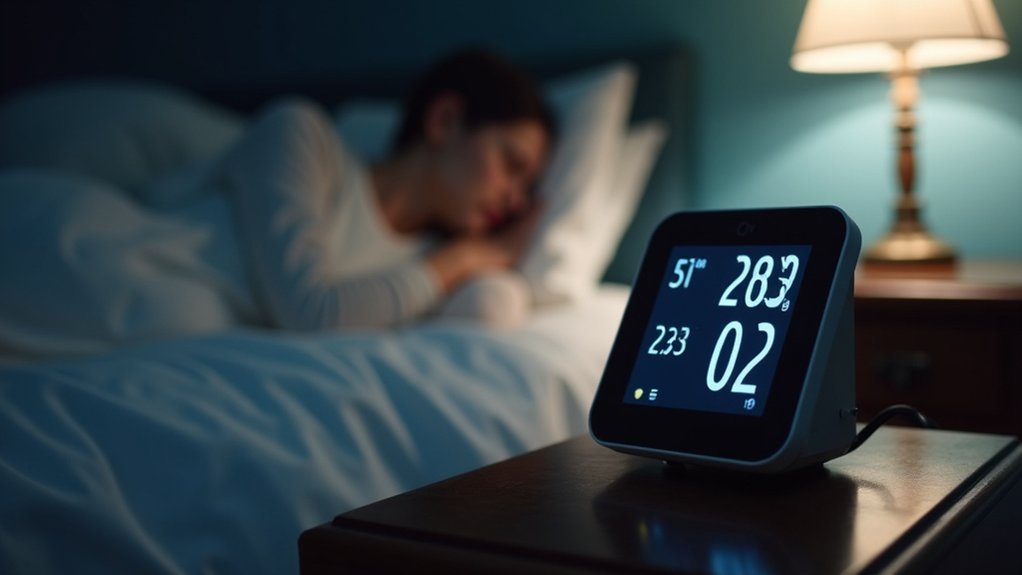
During healthy sleep, your blood pressure naturally drops 10-20% from daytime levels—a protective pattern called “dipping” that gives your cardiovascular system crucial recovery time.
However, sleep apnea completely disrupts this normal pattern, creating dangerous blood pressure instability that increases your cardiovascular risk.
When you have obstructive sleep apnea, your body experiences repeated oxygen deprivation followed by sudden restoration of normal breathing.
This cycle creates three major blood pressure disruptions:
- Nondipping pattern – Your blood pressure fails to drop at night, maintaining elevated levels that stress your heart.
- Morning surges – Severe OSA causes dramatic blood pressure spikes upon waking, contributing to hypertension.
- Daytime elevation – Your daytime blood pressure progressively worsens as OSA severity increases, often requiring CPAP treatment for stabilization.
Mechanisms Behind Sleep Apnea-Induced Hypertension
When you have sleep apnea, your body’s fight-or-flight response kicks into overdrive as your sympathetic nervous system constantly reacts to breathing interruptions throughout the night.
You’ll also experience harmful oxidative stress and inflammation that damage your blood vessels, creating the perfect storm for sustained high blood pressure.
Most notably, your blood pressure won’t drop naturally during sleep like it should, leaving your cardiovascular system under relentless pressure around the clock.
Sympathetic Nervous System Activation
As your breathing repeatedly stops and starts throughout the night, your body launches into survival mode by activating its sympathetic nervous system. This fight-or-flight response floods your bloodstream with stress hormones called catecholamines, causing immediate spikes in heart rate and elevated blood pressure.
When you have obstructive sleep apnea, your body can’t achieve the normal nocturnal blood pressure decline, creating a dangerous “nondipping” pattern that maintains cardiovascular strain throughout sleep. The chronic activation of this stress response creates lasting damage beyond nighttime episodes.
Here’s how sympathetic nervous system activation worsens your health:
- Persistent hypertension develops as your cardiovascular system remains constantly stressed.
- Systemic inflammation increases throughout your body, damaging blood vessels.
- Oxidative stress accelerates, further compromising your cardiovascular health and creating additional complications.
Oxidative Stress and Inflammation
The oxidative stress mentioned in sympathetic activation creates a destructive cascade that goes far beyond simple hormone release. When you have obstructive sleep apnea, your repeated breathing interruptions flood your body with reactive oxygen species during each apneic episode.
These damaging molecules trigger widespread inflammation throughout your cardiovascular system, elevating inflammatory markers like C-reactive protein and interleukin-6. This toxic combination directly attacks your endothelial function, the critical inner lining of your blood vessels.
As oxidative stress impairs these delicate cells, you’ll experience increased vascular stiffness and higher peripheral resistance. The resulting vascular injury creates a perfect storm for hypertension development.
Your sympathetic nervous system responds by maintaining elevated blood pressure even during daytime hours, establishing a relentless cycle of cardiovascular damage.
Blood Pressure Dipping Loss
During healthy sleep, your blood pressure naturally drops by 10-20% as your body enters its restorative phase, but sleep apnea destroys this crucial protective mechanism.
When you have untreated OSA, you’ll develop what’s called a “nondipping pattern” where your blood pressure remains elevated throughout the night instead of following its normal decline.
This blood pressure elevation occurs through three key mechanisms:
- Airway collapse triggers – Each breathing interruption during sleep causes your sympathetic nervous system to surge, spiking blood pressure when breathing resumes.
- Sleep fragmentation effects – Constant awakening prevents your body from achieving the deep, restorative sleep needed for cardiovascular recovery.
- Severity correlation – The worse your sleep apnea becomes, the higher your cardiovascular risk and hypertension development likelihood increases considerably.
Resistant Hypertension and Sleep Apnea Connection
If you’re dealing with high blood pressure that won’t respond to treatment, you might’ve what’s called resistant hypertension – and there’s a strong chance sleep apnea could be the hidden culprit.
Studies show that up to 71% of people with resistant hypertension actually have undiagnosed sleep apnea, making this connection far more common than most realize.
The good news is that treating your sleep apnea with methods like CPAP therapy can potentially help lower your blood pressure when medications alone aren’t working.
Defining Resistant Hypertension
Frustration often accompanies patients whose blood pressure refuses to respond to multiple medications, a condition known as resistant hypertension. You’re dealing with this challenging diagnosis when your high blood pressure remains uncontrolled despite using three or more antihypertensive medications. This persistent elevation signals potential underlying conditions, particularly obstructive sleep apnea.
Understanding resistant hypertension involves recognizing these key characteristics:
- Medication resistance – Your blood pressure stays elevated even with ideal doses of three different antihypertensive drug classes.
- Hidden culprits – Up to 71% of resistant hypertension cases involve undiagnosed sleep apnea.
- Treatment complexity – Achieving blood pressure control becomes considerably more challenging without addressing the underlying sleep disorder.
Identifying this connection is essential because untreated obstructive sleep apnea complicates treatment outcomes, increases cardiovascular risks, and prevents ideal health outcomes despite continuous positive airway pressure therapy’s proven benefits.
Sleep Apnea Prevalence
Nearly half of all patients struggling with resistant hypertension carry an invisible burden—undiagnosed obstructive sleep apnea that’s silently sabotaging their treatment efforts.
Research reveals that 30-50% of people with resistant hypertension also have undiagnosed OSA, creating a vicious cycle where untreated sleep apnea makes blood pressure control nearly impossible.
This staggering prevalence highlights why your cardiovascular disease risk remains elevated despite multiple medications. The stronger your OSA becomes, the harder it’ll be to manage your high blood pressure effectively.
Unfortunately, most healthcare providers overlook this connection, missing vital opportunities for intervention.
That’s why screening for sleep apnea becomes essential if you’re battling resistant hypertension. When doctors identify and address OSA through CPAP therapy treatment, you’ll likely see significant improvements in your blood pressure control and overall health outcomes.
Treatment Impact Benefits
Breaking the cycle of resistant hypertension becomes achievable when you address the underlying sleep apnea that’s been sabotaging your treatment efforts.
CPAP therapy delivers remarkable results for blood pressure control, particularly if you’re dealing with severe hypertension. This OSA treatment reduces both nighttime and daytime readings, directly lowering your cardiovascular risk.
Here’s what you can expect from thorough sleep apnea treatment:
- Significant blood pressure reductions – CPAP therapy consistently lowers readings in patients with resistant hypertension.
- Enhanced medication effectiveness – Your existing high blood pressure medications work better when OSA is properly treated.
- Compounded benefits with lifestyle changes – Weight loss and regular exercise amplify treatment results when combined with CPAP.
You’ll experience improved blood pressure control that reduces your risk of serious cardiovascular events.
CPAP Therapy Effects on Blood Pressure Control
Millions of sleep apnea patients have discovered that CPAP therapy doesn’t just improve their sleep—it can dramatically lower their blood pressure too.
If you’re managing obstructive sleep apnea, you’ll find that consistent CPAP use delivers powerful cardiovascular health benefits beyond better rest.
Research shows 30-50% of patients experience notable blood pressure reduction with regular CPAP therapy.
You’ll see improvements in both daytime and nighttime readings, particularly if you have severe sleep apnea or treatment-resistant hypertension.
CPAP therapy can prevent high blood pressure development in healthy individuals and enhance existing medication effectiveness.
Your blood pressure control depends on long-term adherence.
You’ll maximize cardiovascular benefits by using your CPAP consistently, reducing your risk of heart disease while achieving sustained hypertension management.
Age and Gender Factors in Sleep Apnea Hypertension
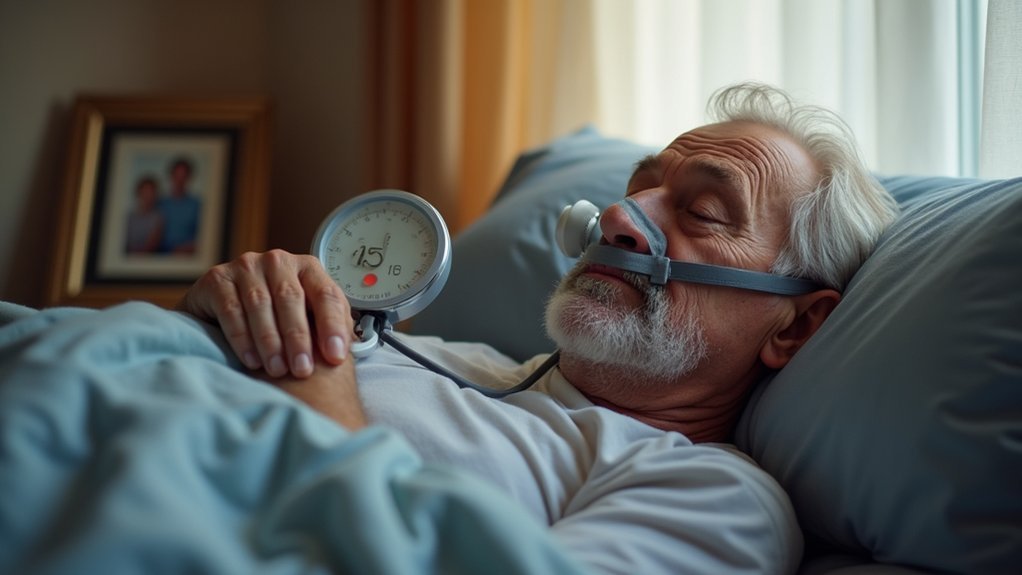
While sleep apnea affects people across all demographics, your age and gender greatly influence how the condition impacts your blood pressure. Understanding these risk factors helps you recognize your vulnerability to developing hypertension from OSA.
Age creates distinct patterns in how obstructive sleep apnea affects your cardiovascular system:
- Younger patients show stronger connections between low oxygen levels and high blood pressure development, while children with OSA experience higher daytime blood pressure and reduced nighttime dipping.
- Adults over 60 face more pronounced cardiovascular effects from sleep apnea, indicating increased severity with aging.
- Gender gaps exist in epidemiological studies, which have primarily focused on male patients, leaving women’s blood pressure responses less understood despite female gender being a potential hypertension risk factor.
Treatment Options for Managing Both Conditions
Recognizing your risk factors for sleep apnea-related hypertension leads directly to exploring effective treatment strategies that address both conditions simultaneously.
CPAP therapy remains the gold standard for obstructive sleep apnea treatment, delivering significant blood pressure reductions, particularly when you have severe hypertension. Regular CPAP use improves sleep quality while preventing hypertension development in those without existing high blood pressure.
You’ll find additional treatment options including oral appliances, positional therapy, and surgical interventions that enhance airflow and help manage your blood pressure.
Lifestyle modifications prove essential—maintaining healthy weight, exercising regularly, and managing stress effectively treat both sleep apnea and hypertension.
If you have resistant hypertension, identifying and treating undiagnosed sleep apnea can dramatically improve blood pressure control and reduce your cardiovascular risk.
When to Seek Medical Evaluation for Sleep and Blood Pressure Issues
When should you seek medical evaluation for potential sleep and blood pressure issues? You shouldn’t ignore warning signs that could indicate obstructive sleep apnea and hypertension are affecting your health.
Here are three key situations requiring medical evaluation:
- Persistent sleep apnea symptoms – If you’re experiencing loud snoring, excessive daytime sleepiness, or morning headaches, consult your healthcare provider immediately, as these often indicate sleep apnea linked to high blood pressure.
- Treatment-resistant hypertension – When your blood pressure remains uncontrolled despite medication, consider sleep apnea evaluation since up to 71% of patients may have undiagnosed obstructive sleep apnea.
- Regular blood pressure checks show concerning readings – Persistent high blood pressure warrants discussion with your healthcare provider to rule out underlying conditions like sleep apnea affecting blood pressure control.
Frequently Asked Questions
Is There a Link Between Sleep Apnea and High Blood Pressure?
Yes, there’s a strong link between sleep apnea and high blood pressure. If you have sleep apnea, you’re more likely to develop hypertension due to fragmented sleep and increased sympathetic nervous system activity.
What Is the Average Age of Death for Sleep Apnea?
You’ll face a markedly reduced life expectancy with untreated sleep apnea, typically dying around 60-65 years old compared to the general population’s 78-year average, losing up to 20 years.
What Comes First, Sleep Apnea or High Blood Pressure?
Sleep apnea typically comes first. You’ll develop breathing interruptions during sleep that cause oxygen drops and stress responses, which then damage your cardiovascular system and lead to high blood pressure over time.
Will CPAP Lower Blood Pressure?
CPAP therapy can lower your blood pressure, especially if you’ve got severe sleep apnea. You’ll likely see reductions in both nighttime and daytime readings when you use it consistently.




Leave a Reply