
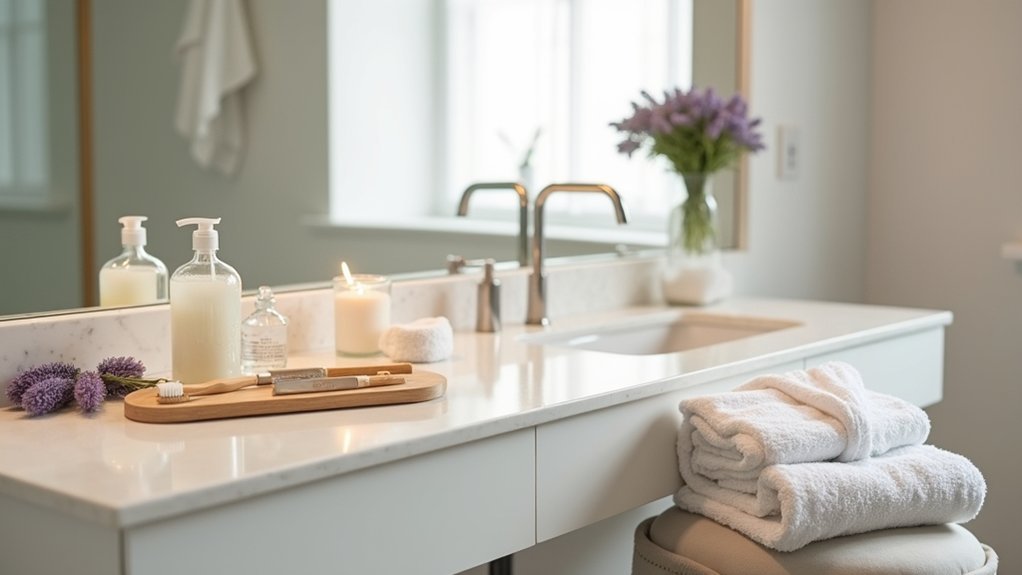
You’ll build an effective bedtime hygiene assessment checklist by evaluating five key areas: daily habits affecting sleep, your physical sleep environment, pre-sleep routines, personal sleep disruptors, and measurable quality indicators. Track your sleep schedule consistency, bedroom temperature around 65°F, light exposure, and wind-down activities. Monitor sleep latency under 30 minutes and efficiency above 85%. Document findings in a sleep diary and review monthly for patterns. This systematic approach reveals deeper insights into optimizing your nightly rest.
Understanding the Fundamentals of Sleep Hygiene Assessment
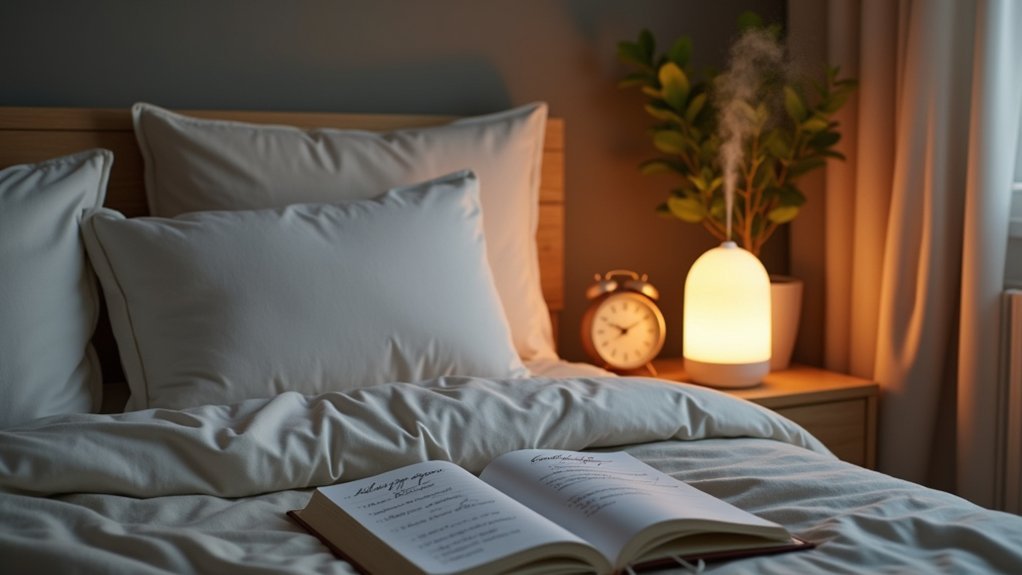
When you’re struggling with poor sleep quality, conducting a detailed sleep hygiene assessment becomes your first line of defense against restless nights. This evaluation process examines your current habits and environmental factors that directly impact the quality of your sleep.
You’ll need to create a thorough sleep hygiene checklist that identifies problematic practices hindering your rest. Your assessment should focus on three core areas: your sleep schedule consistency, bedroom environment conditions, and daily lifestyle choices.
By analyzing these elements systematically, you’ll uncover patterns that disrupt your sleep cycle. The goal isn’t just identifying problems—it’s establishing healthy habits that promote restorative sleep.
A proper assessment reveals whether irregular bedtimes, environmental distractions, or poor evening routines are sabotaging your rest, giving you actionable insights for improvement.
Essential Components of an Effective Bedtime Checklist
Your bedtime checklist isn’t complete without three critical components that’ll transform your sleep quality.
You’ll need to assess your sleep environment for ideal comfort, evaluate your nightly routine for consistency, and review your daily habits that impact rest.
These elements work together to create a thorough framework that identifies what’s helping or hindering your path to better sleep.
Sleep Environment Assessment
The foundation of quality sleep begins with evaluating your bedroom’s physical environment.
A thorough sleep environment assessment guarantees you’ve optimized every factor that influences your rest quality. Your bedroom should function as a sanctuary that promotes relaxation and supports your body’s natural sleep processes.
Focus on these critical elements when conducting your quality sleep evaluation:
- Temperature control – Maintain your bedroom around 65 degrees Fahrenheit to help lower your core body temperature.
- Light management – Install light-blocking curtains or use eye masks to prevent melatonin disruption.
- Sound reduction – Monitor noise levels and consider earplugs or white noise machines for disturbance-free rest.
- Aesthetic elements – Choose calming colors and maintain a clutter-free space to create a soothing atmosphere.
Nightly Routine Evaluation
Although environmental factors create the backdrop for quality sleep, establishing a structured nightly routine forms the cornerstone of consistent rest. Your nightly routine evaluation should focus on implementing proven sleep hygiene practices that signal your body it’s time to wind down.
| Time Before Bed | Activity | Purpose |
|---|---|---|
| 60-90 minutes | Dim lights, avoid screens | Supports natural melatonin production |
| 30-60 minutes | Reading or warm bath | Creates relaxation signals |
| 15-30 minutes | Deep breathing or stretching | Reduces stress and tension |
| 0-15 minutes | Final preparations | Establishes bedtime routine consistency |
Maintaining consistent sleep and wake times reinforces your circadian rhythm, directly impacting overall health. Your bedtime routine shouldn’t feel rushed—allow adequate time for each calming activity to maximize effectiveness.
Daily Habit Review
Five key daily habits form the foundation of effective bedtime hygiene, and reviewing them each evening guarantees you’re setting yourself up for restorative sleep.
Your daily habit review should focus on behaviors that directly impact sleep quality throughout the day.
Essential good habits to evaluate include:
- Sleep schedule consistency – maintaining the same bedtime and wake time daily
- Caffeine and nicotine timing – avoiding stimulants within six hours of bedtime
- Physical activity completion – ensuring exercise finishes at least four hours before sleep
- Screen time management – limiting blue light exposure 30-60 minutes before bed
Your sleep environment assessment should cover room temperature around 65 degrees, comfortable bedding, and minimal noise.
This thorough bedtime hygiene approach creates ideal conditions for restorative sleep.
Evaluating Your Current Sleep Environment and Setup
Before you can improve your sleep quality, you’ll need to take an honest look at your current bedroom setup. Start by evaluating your mattress and pillows for proper support and comfort, as these directly impact how well you rest.
Check your room temperature—it should hover around 65 degrees Fahrenheit for ideal sleep conditions.
Examine the lighting in your sleep environment. External light sources can disrupt your natural sleep cycle, so consider blackout curtains or eye masks.
Evaluate noise levels that might be affecting your rest. Traffic, neighbors, or household sounds can fragment your sleep, making earplugs or white noise machines valuable solutions.
Finally, observe your bedroom’s organization and color scheme, ensuring it promotes relaxation rather than stress.
Assessing Pre-Sleep Routines and Wind-Down Activities

You’ll need to examine when you start winding down each evening and whether that timing consistently supports quality sleep.
Your screen habits before bed require honest evaluation since blue light exposure can greatly disrupt your natural sleep signals.
Take stock of which relaxation activities actually help you shift from daytime stress to a calm, sleep-ready state.
Evening Routine Timing Assessment
When you assess your evening routine timing, you’re taking an essential step toward optimizing your sleep quality and overall well-being. Proper timing guarantees your body receives adequate signals to prepare for restorative sleep.
To evaluate your evening routine effectively, consider these essential timing elements:
- Budget 30 minutes minimum for pre-sleep activities like reading or practicing relaxation techniques.
- Dim lights 30-60 minutes before bed to promote natural melatonin production.
- Unplug from electronics during the same 30-60 minute window to reduce sleep disruption.
- Include gentle activities such as stretching or meditation to reduce stress levels.
Track these timing patterns in your sleep diary to identify which schedules work best for your unique needs and lifestyle requirements.
Screen Time Evaluation Methods
How much screen time are you actually getting before bed? Start tracking your device usage 30-60 minutes before bedtime to understand how screens affect your sleep quality. Excessive exposure disrupts melatonin production, making it harder to fall asleep.
Limit pre-sleep screen time to 30 minutes maximum. Establish a digital curfew by setting a specific time to unplug from electronics. This creates a consistent wind-down routine that promotes better rest.
| Activity Type | Sleep Impact |
|---|---|
| Screen-based activities | Disrupts melatonin, delays sleep onset |
| Reading physical books | Promotes relaxation, improves sleep quality |
| Relaxation techniques | Reduces mental stimulation, enhances rest |
Use a Two-Week Sleep Diary to assess how your device usage patterns correlate with bedtime, wake times, and overall sleep quality.
Relaxation Activity Effectiveness Review
Which relaxation activities actually help you fall asleep faster? You’ll discover the answer by systematically reviewing your pre-sleep activities and their impact on sleep quality.
Tracking what works creates better sleep hygiene habits. Your relaxation activity effectiveness review should include:
- Testing specific activities – Try reading, warm baths, or gentle stretching for one week each.
- Timing your routine – Dim lights and avoid screens 30-60 minutes before bed to boost melatonin production.
- Adding mindfulness practices – Incorporate meditation or breathing exercises to enhance relaxation.
- Maintaining a sleep diary – Record which activities help you fall asleep fastest and feel most rested.
Consistent evaluation helps you identify your most effective pre-sleep activities, creating a personalized wind-down routine that reliably prepares your body for quality sleep.
Tracking Sleep Schedule Consistency and Timing Patterns
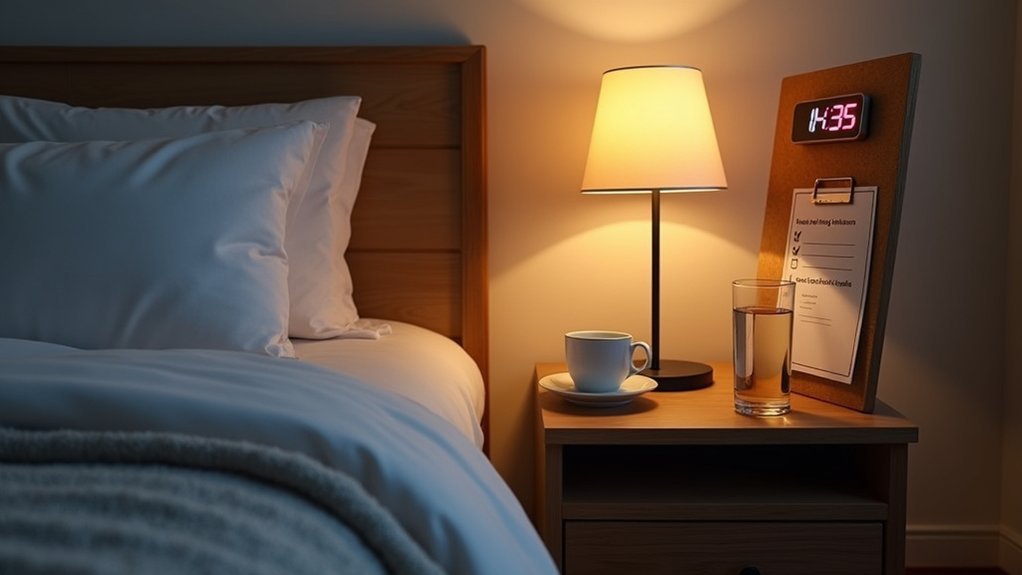
Although establishing a consistent sleep schedule ranks among the most effective strategies for improving sleep quality, many people struggle to maintain regular bedtime and wake-up times. Your circadian rhythms thrive on predictability, so tracking your sleep patterns becomes essential for identifying inconsistencies that disrupt your natural sleep-wake cycle.
A two-week sleep diary helps you monitor timing patterns and spot troublesome trends. Record your bedtime, wake-up time, and total sleep duration daily.
| Day | Bedtime | Wake Time | Sleep Duration | Notes |
|---|---|---|---|---|
| Mon | 10:30 PM | 6:30 AM | 8 hours | |
| Tue | 11:15 PM | 6:30 AM | 7.25 hours | Late dinner |
| Wed | 10:45 PM | 6:30 AM | 7.75 hours | |
| Thu | 10:30 PM | 6:30 AM | 8 hours | |
| Fri | 12:00 AM | 8:00 AM | 8 hours | Weekend shift |
When adjustments are needed, gradually shift your schedule by 15-30 minutes to help your body adapt smoothly.
Monitoring Daytime Habits That Impact Nighttime Rest
Your daily choices create a ripple effect that reaches far into the night, influencing how quickly you fall asleep and how deeply you rest.
The timing of your sunlight exposure sets your internal clock, while your exercise routine either energizes or exhausts your body at essential moments.
What you consume throughout the day—from that afternoon coffee to evening alcohol—can sabotage your sleep hours before you even realize it.
Daylight Exposure Timing
When you step outside into morning sunlight, you’re doing more than just starting your day—you’re programming your body’s internal clock for better sleep that night.
Daylight exposure directly influences your circadian rhythm, signaling when to be alert and when to wind down. Without adequate natural light, your sleep patterns become disrupted, making it harder to fall asleep or stay asleep.
To optimize your sleep quality through strategic daylight exposure:
- Get 15-30 minutes of outdoor light exposure daily, preferably in the morning
- Prioritize natural light if you work night shifts or spend long hours indoors
- Time your exposure early to enhance nighttime melatonin production
- Maintain consistency to strengthen your body’s natural sleep-wake cycle
Regular daylight exposure increases restorative sleep stages and reduces sleep deprivation.
Physical Activity Patterns
While your evening routine often gets the most attention for sleep hygiene, the physical activity patterns you make throughout the day play an equally essential role in determining how well you’ll sleep that night.
Regular physical activity for at least 30 minutes daily enhances sleep quality by promoting faster sleep onset and deeper sleep stages.
You’ll want to schedule aerobic exercises like running or swimming during morning or afternoon hours, as late workouts can disrupt your sleep by elevating heart rate and body temperature.
Instead, opt for light stretching or yoga in the evening to relax your body and mind.
Consistent exercise helps regulate your circadian rhythms, creating sustainable patterns that improve sleep and overall rest quality.
Substance Use Impact
Beyond exercise timing, substances you consume during the day create lasting effects that can sabotage your sleep hours later.
Your substance use patterns directly influence sleep quality, often in ways you don’t realize until bedtime arrives.
Consider these critical timing guidelines:
- Caffeine – Avoid after 2 PM, as its stimulating effects persist for up to eight hours.
- Alcohol – Limit to one or two drinks daily; while initially drowsy-making, it fragments sleep later.
- Nicotine – This stimulant makes falling and staying asleep difficult; refrain from smoking entirely.
- Heavy meals – Skip fatty or spicy foods within two hours of bedtime to prevent heartburn.
Monitor over-the-counter sleep aids carefully, as regular use builds tolerance and causes grogginess.
Identifying Personal Sleep Disruptors and Triggers
How often do you find yourself tossing and turning, wondering why sleep feels so elusive? Identifying personal sleep disruptors is essential for addressing persistent sleep problems. Your unique triggers might include late-night caffeine, scrolling through your phone before bed, or stress from work deadlines.
These personal sleep disruptors create a frustrating cycle of poor sleep and daytime exhaustion.
Start keeping a detailed sleep diary to track patterns between your daily habits and nighttime rest. Note everything: what you eat, when you exercise, and your stress levels throughout the day.
Don’t overlook environmental elements like room temperature, outside noise, or streetlight glare through your window. These factors considerably impact your sleep quality. Understanding your individual responses to various stimuli helps you create a personalized checklist that actually works for your lifestyle.
Creating Measurable Sleep Quality Indicators
Since tracking your sleep disruptors reveals what’s harming your rest, you’ll need concrete metrics to measure improvement and gauge whether your bedtime hygiene changes are working.
Establishing measurable indicators helps you evaluate your sleep quality objectively rather than relying on subjective feelings. Focus on these key metrics:
- Sleep duration: Aim for 7-9 hours nightly to support healthy sleep patterns.
- Sleep latency: Track how quickly you fall asleep—under 30 minutes indicates effective sleep habits.
- Sleep efficiency: Calculate time asleep versus time in bed; above 85% shows ideal sleep efficiency.
- Night awakenings: Monitor disruptions—fewer than two per night signals quality rest.
Additionally, maintaining a consistent sleep-wake schedule provides measurable structure. Record your bedtime and wake time daily to identify patterns and track improvements in your overall sleep architecture.
Customizing Your Assessment for Individual Sleep Needs
While standardized sleep metrics provide valuable benchmarks, your personal sleep assessment needs reflect your unique circumstances and challenges.
Customizing your checklist means considering your age, lifestyle, and specific sleep issues that affect your individual patterns. You’ll want to evaluate your daily habits—including caffeine consumption, exercise timing, and light exposure—since these impact everyone differently.
Your assessment should examine sleep environment quality factors like mattress comfort, bedroom temperature, and noise levels.
Include space for reflecting on pre-sleep routines that help you unwind effectively. Consider incorporating questions about work schedules, stress levels, and health conditions that influence your sleep needs.
A personalized scoring system helps track improvements tailored to your circumstances, making your bedtime hygiene assessment more meaningful and actionable for lasting change.
Implementing Regular Review and Adjustment Protocols
Although creating your customized bedtime hygiene checklist marks an important first step, maintaining its effectiveness requires consistent review and strategic adjustments over time.
Your bedtime hygiene assessment needs regular monitoring to optimize sleep quality. Here’s how to implement effective review protocols:
- Monthly Pattern Analysis – Review your checklist every month to identify recurring issues and track improvement trends in your sleep habits.
- Environmental Change Tracking – Document modifications to your sleep environment and routines, then evaluate their impact on overall sleep quality.
- Seasonal Adaptations – Adjust temperature settings, bedding materials, and room configurations based on changing weather conditions and comfort needs.
- Professional Consultations – Schedule periodic meetings with sleep health professionals to discuss your findings and receive personalized recommendations for further adjustments.
Transforming Assessment Results Into Actionable Sleep Improvements
Review and adjustment protocols provide valuable data, but this information only improves your sleep when you convert it into concrete actions. Analyze your assessment results to pinpoint specific problems within your sleep environment and bedtime routines.
Prioritize changes based on their potential impact—adjusting room temperature or eliminating pre-sleep screen time often delivers immediate sleep improvement benefits.
Implement one change at a time to avoid overwhelming yourself and accurately measure each adjustment’s effectiveness. When you track your sleep patterns through a detailed diary, you’ll clearly see how modifications affect your sleep quality and duration.
If persistent issues remain after implementing your checklist recommendations, don’t hesitate to consult with a sleep health professional who can provide personalized interventions tailored to your specific needs.
Frequently Asked Questions
What Is the 10 3 2 1 0 Bedtime Rule?
You’ll follow the 10 3 2 1 0 rule by stopping caffeine ten hours before bed, avoiding large meals three hours prior, skipping exercise two hours before, limiting screens one hour earlier, and eliminating work.
How to Assess Sleep Hygiene?
Track your sleep patterns for two weeks, noting bedtime, wake times, and daily habits. Evaluate your sleep environment’s temperature, darkness, and noise levels. Review caffeine intake, screen time, and exercise timing affecting sleep quality.
What Is the 20 Minute Rule for Sleep Hygiene?
If you can’t fall asleep within twenty minutes, get out of bed and do a relaxing activity until you’re sleepy. This prevents associating your bed with frustration and wakefulness.
What Is the 15 Minute Rule for Sleep Hygiene?
If you can’t fall asleep within 15 minutes, get out of bed and do a calming activity until you’re sleepy. This prevents associating your bed with frustration and reinforces it’s for sleep only.



Leave a Reply