

Untreated sleep apnea puts you at serious risk for three major health complications. First, you’ll face cardiovascular dangers as oxygen deprivation triggers hypertension, arrhythmias, and triples your stroke risk. Second, you’ll develop metabolic disruption that increases your type 2 diabetes risk threefold through insulin resistance and chronic inflammation. Third, you’ll experience severe cognitive impairment affecting memory, concentration, and decision-making abilities that mirror aging ten years. These cascading effects create life-threatening consequences you can’t afford to ignore.
Cardiovascular Complications and Heart Disease
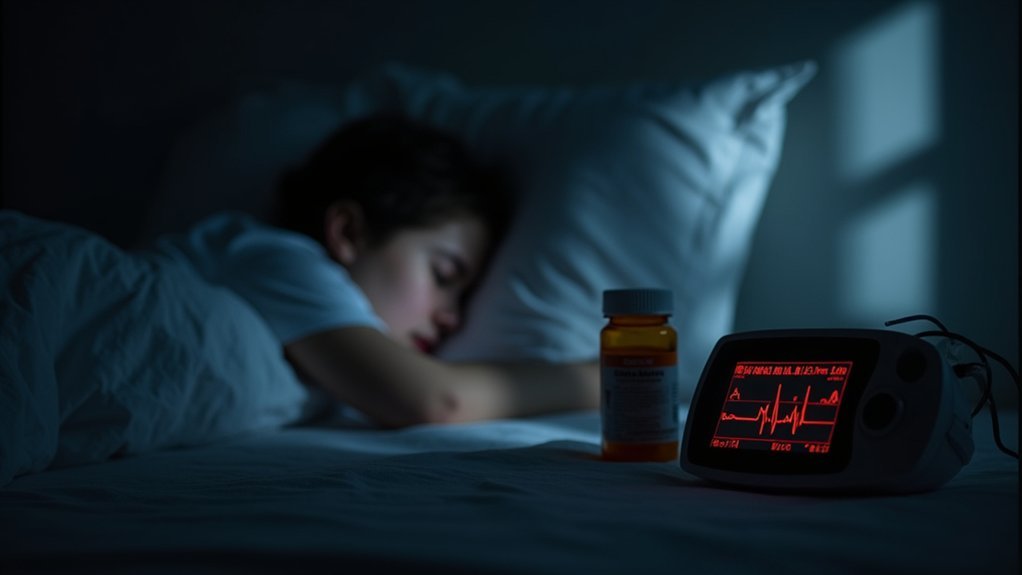
While you sleep, untreated sleep apnea silently wreaks havoc on your cardiovascular system through repeated cycles of oxygen deprivation and restoration. This nightly assault dramatically increases your risk of developing high blood pressure, with nearly 50% of sleep apnea sufferers experiencing hypertension.
The constant oxygen deprivation triggers dangerous arrhythmias, heart attacks, and potential heart failure.
Your stroke risk triples with severe sleep apnea compared to healthy individuals. The condition also promotes metabolic syndrome, creating a cluster of cardiovascular risk factors including abnormal cholesterol and increased waist circumference.
Severe sleep apnea triples stroke risk while triggering metabolic syndrome that compounds dangerous cardiovascular threats to your survival.
Each apnea episode activates stress responses, flooding your system with cortisol and other stress hormones that strain your heart further. These cardiovascular complications compound over time, transforming sleep apnea into a serious threat to your heart’s health and your overall survival.
Metabolic Disruption and Type 2 Diabetes
Beyond damaging your heart, untreated sleep apnea wreaks havoc on your body’s ability to process sugar and maintain healthy blood glucose levels.
This condition creates insulin resistance, making you three times more likely to develop type 2 diabetes compared to people without sleep apnea.
Here’s how untreated sleep apnea affects your metabolism:
- Disrupted glucose processing – Your body can’t effectively regulate blood sugar levels.
- Reduced oxygen levels – Repeated oxygen drops trigger chronic inflammation throughout your system.
- Increased metabolic dysfunction – Higher blood sugar contributes to metabolic syndrome progression.
- Worsened diabetes management – Existing diabetic conditions become harder to control.
Fortunately, effective sleep apnea treatment can restore improved insulin sensitivity and better glycemic control, reducing these serious health risks.
Cognitive Impairment and Accident Risk

When sleep apnea disrupts your nightly rest, it doesn’t just affect your body—it greatly impairs your brain’s ability to function during waking hours.
Untreated sleep apnea causes severe cognitive impairment, damaging your concentration, memory, and decision-making abilities through chronic oxygen deprivation.
You’ll experience dangerous daytime drowsiness that makes you as impaired as an intoxicated driver, contributing to over 20% of fatal crashes.
Your accident risk skyrockets both on roads and in workplaces due to chronic fatigue reducing performance and reaction times.
These health problems extend beyond physical dangers.
Sleep apnea triggers mood swings, irritability, and depression, creating a cascade of dysfunction.
Studies reveal your cognitive decline can mirror aging effects, with some patients experiencing mental deterioration equivalent to aging ten years.
Frequently Asked Questions
Is Sleep Apnea Dangerous if Not Treated?
Yes, you’ll face serious health risks if you don’t treat sleep apnea. You’re more likely to develop heart disease, diabetes, depression, and liver problems. You’ll also have increased accident risks from daytime drowsiness.
What Does Severe Sleep Apnea Do to the Body?
Severe sleep apnea strains your cardiovascular system, increases your blood pressure, disrupts your glucose metabolism leading to diabetes risk, impairs your cognitive function, and considerably raises your chances of developing depression and anxiety disorders.
Which Serious Consequences May Develop if a Patient’s Sleep Apnea Is Left Untreated?
You’ll face cardiovascular disease, diabetes, depression, and accident risks if you don’t treat sleep apnea. You’re also more likely to develop liver problems and experience dangerous complications during surgery requiring anesthesia.
What Is the Life Expectancy for Someone With Severe Sleep Apnea?
If you have severe untreated sleep apnea, you’re facing a potentially reduced life expectancy of up to 10 years compared to healthy individuals due to serious cardiovascular complications.




Leave a Reply