

When you continuously expose your body to hormone supplements, your receptors become desensitized and downregulate, requiring higher doses for the same effects. Cycling allows your receptors to recover and regain sensitivity during off periods, preventing tolerance buildup. You’ll maintain supplement effectiveness while avoiding dependency on external hormones. Strategic cycling patterns – like 8-12 weeks on, 4 weeks off for testosterone boosters – help preserve your body’s natural hormone production and receptor responsiveness for ideal long-term results.
Understanding Hormone Receptor Desensitization

When you continuously expose your body to the same hormone, your receptors begin to lose their sensitivity—a process called hormone receptor desensitization.
Continuous hormone exposure triggers receptor desensitization, causing your body to gradually lose sensitivity to hormonal signals over time.
This natural protective mechanism prevents overstimulation and maintains homeostasis, but it creates problems for hormone supplementation. Prolonged use notably reduces receptor density, making your treatments less effective over time.
Think of it like turning down the volume on a radio—your body literally decreases its ability to “hear” hormonal signals. This leads to tolerance, where you need higher doses to achieve the same results.
That’s where cycling hormone dosages becomes essential. Strategic breaks allow complete receptor recovery and renewal, restoring your body’s sensitivity. When you reintroduce hormones after cycling, your receptors respond with renewed vigor, maintaining ideal therapeutic effectiveness.
The Science Behind Supplement Tolerance Development
Beyond hormones, virtually every supplement you take can lose its punch through supplement tolerance—a biological adaptation that renders your carefully chosen stack increasingly ineffective.
When you consistently take stimulants like caffeine, your body responds by producing more enzymes that break down these compounds, forcing you to increase dosages for the same results. Your receptors downregulate, and metabolic clearance accelerates.
Even adaptogens and nootropics lose their effectiveness as your neurotransmitter systems adjust to their presence. This is why cycling supplements becomes essential—strategic breaks reset your body’s sensitivity and help maintain their effectiveness long-term.
Consult your healthcare provider before implementing cycling protocols to guarantee safe, ideal supplementation strategies.
How Continuous Hormone Exposure Affects Body Chemistry

Although your body operates like a finely tuned orchestra, continuous hormone exposure disrupts this delicate symphony by fundamentally altering your cellular chemistry.
When you maintain steady hormone levels, your receptors become desensitized, creating tolerance build-up that diminishes therapeutic benefits. Continuous use may reduce your body’s natural hormone production through feedback loops, forcing dependency on external sources.
Your metabolism adapts by increasing enzyme activity that breaks down hormones faster, requiring higher doses for the same effects.
Neurotransmitter pathways shift, causing unpredictable mood swings and negative symptoms. These biochemical changes create cascading imbalances throughout your endocrine system.
However, cycling hormone dosages prevents these adaptations by allowing your cellular machinery to reset, maintaining sensitivity and preserving your body’s natural regulatory mechanisms.
Melatonin Receptor Downregulation and Sleep Quality
Since melatonin directly binds to specific receptors in your brain’s suprachiasmatic nucleus, continuous supplementation triggers a protective downregulation mechanism that reduces your sleep hormone’s effectiveness.
When you take melatonin nightly without breaks, your body adapts by decreasing receptor sensitivity, making each dose less potent over time. This tolerance development explains why you might notice diminished sleep quality after weeks of consistent use.
Your receptors become overwhelmed by elevated hormone levels and respond by reducing their responsiveness. Research demonstrates that cycling melatonin prevents this adaptation, maintaining peak receptor function.
Taking regular breaks from melatonin prevents your brain receptors from becoming overwhelmed and maintains their natural sensitivity to the hormone.
The recommended cycling approach involves 4-6 weeks of use followed by 2-4 week breaks. This intermittent pattern preserves receptor sensitivity and delivers superior sleep benefits compared to continuous supplementation, ensuring melatonin remains effective long-term.
Optimal Cycling Patterns for Hormone Supplements
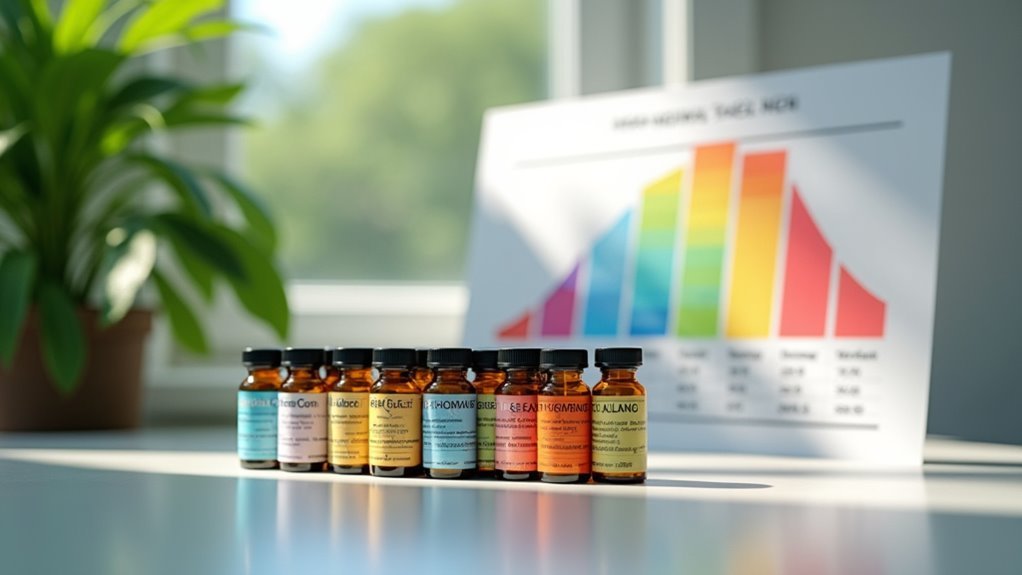
While melatonin cycling follows this receptor preservation principle, other hormone supplements require their own specific timing protocols to maximize benefits. You’ll need ideal cycling patterns that align with your body’s natural rhythms to prevent tolerance effectively.
| Supplement Type | Recommended Cycle |
|---|---|
| Testosterone Boosters | 8-12 weeks on, 4 weeks off |
| Progestogens | 4-6 weeks on, 2-3 weeks off |
| Growth Hormone | 6-8 weeks on, 3-4 weeks off |
| Thyroid Support | 10-12 weeks on, 2-4 weeks off |
Strategic cycling helps minimize potential side effects while maintaining receptor sensitivity. You should monitor your body’s responses throughout each cycle, adjusting timing based on individual needs. These hormone supplements work best when you respect your body’s adaptation patterns, supporting overall hormonal balance rather than forcing continuous stimulation.
Weekly Dosage Rotation Strategies
Beyond maintaining long-term cycling patterns, you can implement weekly dosage rotation strategies that fine-tune your hormone supplement regimen on a shorter timeline.
You’ll alternate dosages each day using a 7-day schedule, gradually increasing and decreasing amounts to keep your body’s receptors responsive. This cycling strategy helps prevent tolerance by maintaining ideal receptor sensitivity throughout the week.
You should incorporate “off days” where you don’t take any supplements, further enhancing your body’s responsiveness.
Track your daily responses and effects during rotation to identify what works best for your individual needs. This data allows you to personalize your approach and make informed adjustments.
Always consult with a healthcare professional before implementing any weekly dosage rotation plan to verify it’s safe and effective for your specific hormonal requirements.
Maintaining Natural Hormone Production
Effective dosage cycling serves a deeper purpose than optimizing weekly schedules—it protects your body’s ability to produce hormones naturally.
When you take hormonal supplements continuously, your endocrine system reduces its own hormone output through feedback inhibition. This creates dependency and undermines your natural hormone production capacity.
Strategic cycling prevents this shutdown by giving your system regular breaks to reset and adapt. During these intervals, your hormone receptors maintain their sensitivity while your endocrine glands resume normal function.
Without cycling, prolonged supplementation leads to receptor downregulation, where your body becomes less responsive to both external and internal hormones.
This approach minimizes supplement tolerance while preserving your body’s autonomous regulation abilities. You’ll maintain sustained efficacy from supplements while ensuring your natural hormone production remains intact and functional.
Signs Your Body Has Developed Supplement Tolerance
Since your body constantly adapts to external inputs, recognizing supplement tolerance becomes essential for maintaining effective hormone optimization. The most obvious signs include diminished effectiveness where your supplement no longer delivers the original benefits despite consistent dosing.
When supplements stop delivering their original benefits despite consistent use, your body has likely developed tolerance requiring intervention.
You’ll notice performance plateaus in workouts and overall well-being improvements stalling completely.
Physical symptoms provide additional warning signals. Withdrawal cravings when you skip doses indicate dependency formation, while increased side effects like jitters or digestive issues suggest your body’s growing intolerance.
These symptoms collectively signal it’s time for cycling.
Track your energy levels and mood changes regularly to identify developing tolerance patterns early. When you spot these signs, taking a strategic break from supplementation allows your hormone receptors to reset and restore their natural sensitivity.
Resetting Receptor Sensitivity Through Strategic Breaks
When you implement strategic breaks from hormonal supplementation, you’re fundamentally giving your receptor sites the time they need to restore their original sensitivity levels.
These strategic breaks counteract your body’s natural tendency to downregulate receptors during continuous exposure to external hormones.
Cycling your hormonal supplements with 2 to 4-week off periods after 8 to 12 weeks of use allows receptor density to normalize.
During these breaks, your body’s adaptive mechanisms—including altered enzyme activity and neurotransmitter imbalances—begin reversing themselves.
This reset process directly translates to restored effectiveness when you resume supplementation.
Without proper cycling, you’ll experience diminishing returns as your receptors become less responsive.
Strategic breaks guarantee that receptor sensitivity remains ideal, preventing tolerance and maintaining the therapeutic benefits you’re seeking from your supplementation protocol.
Timing Your Hormone Cycles for Maximum Effectiveness
After establishing your cycling framework, refining the timing of your hormone cycles becomes essential for maximizing their therapeutic impact. You’ll achieve better effectiveness by aligning supplementation with your body’s natural rhythms.
For women, timing hormone cycling with menstrual phases creates synergistic benefits—supporting estrogen during follicular phases and progesterone during luteal phases prevents supplement tolerance while enhancing results.
Your timing strategy should consider individual hormonal fluctuations through regular monitoring. Start cycles when baseline hormone levels are naturally lower, allowing supplementation to work with your body’s patterns rather than against them. This approach reduces side effects and maintains receptor sensitivity longer.
Consult healthcare professionals to personalize your timing schedule. They’ll help you identify prime start dates based on your unique hormonal responses, ensuring maximum effectiveness while preventing tolerance development.
Preventing Long-Term Dependency on Sleep Aids
When you cycle your sleep aid dosages, you’re actively preventing your body from becoming dependent on external hormones while allowing your natural sleep cycles to restore themselves.
This strategic approach resets your melatonin receptor sensitivity, ensuring these receptors don’t become desensitized from constant stimulation.
You’ll break free from physical sleep dependencies by giving your body regular breaks to recalibrate its own hormone production.
Natural Sleep Cycle Restoration
Since your body naturally adapts to repeated exposure to sleep aids, cycling these supplements becomes essential for maintaining their effectiveness while protecting your innate sleep-wake rhythm.
When you continuously use melatonin or other sleep aids without breaks, you’ll develop tolerance that diminishes their impact on your natural sleep cycle.
Implementing strategic supplement cycles helps restore your body’s ability to produce melatonin independently. This cycling approach prevents the disruption that leads to dependency and rebound insomnia.
- Use sleep aids for only 2-4 weeks, then take breaks
- Reduce screen time before bedtime during cycling periods
- Maintain consistent sleep schedules to support recalibration
- Allow your internal clock to reset during supplement-free intervals
- Monitor sleep quality improvements as natural rhythms return
Melatonin Receptor Sensitivity Reset
Your melatonin receptors gradually lose their sensitivity when exposed to supplemental doses over extended periods, creating a cascade effect that requires increasingly higher amounts to achieve the same sleep benefits.
This tolerance develops because your body adapts to constant melatonin presence, diminishing the supplement’s effectiveness over time.
Cycling your melatonin intake prevents this receptor desensitization. By taking breaks every 4-6 weeks, you allow your receptor sensitivity to reset naturally.
During these 1-2 week breaks, your melatonin receptors recover their responsiveness, maintaining the supplement’s original potency when you resume use.
This strategic approach prevents long-term dependency on sleep aids and preserves your natural circadian rhythm.
Without cycling, you’d likely need progressively higher doses, potentially disrupting your body’s innate sleep-wake cycle and creating reliance on external supplementation.
Breaking Physical Sleep Dependencies
Breaking away from sleep aid dependency requires a strategic approach that addresses both the physical and psychological aspects of reliance.
When you’ve been using sleep aids regularly, your body adapts to their presence, creating tolerance that can trap you in a cycle of increasing dosages.
Cycling offers a proven pathway to freedom from supplement dependency:
- Gradual reduction: Slowly decrease dosages rather than stopping abruptly to avoid withdrawal symptoms.
- Intermittent breaks: Take 2-4 week breaks between supplement cycles to reset receptor sensitivity.
- Alternative strategies: Implement CBT-I and consistent sleep routines during off periods.
- Pattern monitoring: Track your sleep responses to identify natural improvement opportunities.
- Professional guidance: Consult healthcare providers for personalized tapering schedules.
This systematic approach protects your overall well-being while restoring your body’s natural sleep mechanisms.
Monitoring Your Body’s Response During Cycling Phases
While you’re maneuvering hormone cycling phases, tracking your body’s responses becomes essential for enhancing results and maintaining safety. Monitoring your energy levels, mood fluctuations, and physical changes helps you track the effectiveness of your supplements and identify when tolerance develops.
Keep a detailed log documenting these responses, noting any side effects that signal your body needs a break to reset its sensitivity. Regular healthcare consultations provide valuable insights into your personal tolerance levels, guiding necessary dosage adjustments or cycling duration changes.
You’ll want to utilize supplement management apps for systematic tracking of intake and effects. By maintaining this thorough monitoring approach, you can determine effective cycling patterns, recognize diminished effects early, and make informed decisions about when to adjust your regimen for continued effectiveness.
Sustainable Approaches to Hormone Supplement Management
Although hormone cycling prevents tolerance buildup, developing a sustainable management approach requires balancing effectiveness with long-term health considerations.
You’ll need to create a personalized strategy that adapts to your changing health status while maintaining ideal results from your hormone supplements.
Sustainable cycling practices include:
- Tracking baseline markers – Monitor key hormonal indicators before starting any cycling protocol
- Adjusting cycle lengths – Modify on/off periods based on your body’s response patterns
- Integrating lifestyle factors – Consider sleep, nutrition, and stress management alongside supplementation
- Regular health assessments – Schedule periodic check-ups to evaluate tolerance and effectiveness
- Gradual dosage modifications – Make incremental changes rather than dramatic shifts
This thorough approach guarantees you’re maintaining effectiveness while protecting your long-term hormonal health through responsible cycling practices.
Frequently Asked Questions
Should You Cycle off Supplements?
You should cycle off certain supplements, especially hormonal and stimulant-based ones, to prevent tolerance and maintain effectiveness. Take breaks every 4-12 weeks to reset your body’s response and preserve receptor sensitivity.
What’s the Point of Cycling Supplements?
You’ll prevent your body from developing tolerance to supplements by cycling them. This maintains their effectiveness over time, resets your receptors, and reduces dependency risks while avoiding side effects from continuous use.
How Long Should a Supplement Cycle Be?
You should cycle supplements for 4-12 weeks depending on the type. Use stimulants for 4-6 weeks, then take 1-2 weeks off. Hormonal supplements need 8-12 weeks on with 4-week breaks.
Do Sports Supplements Actually Work?
Yes, sports supplements work when you use them correctly. You’ll see real benefits from creatine increasing muscle mass, BCAAs reducing soreness, and caffeine boosting endurance performance by measurable percentages.




Leave a Reply